
No Painting Shall Leave
I wanted to make photography difficult again —
to see what an image could hold when light is scarce.
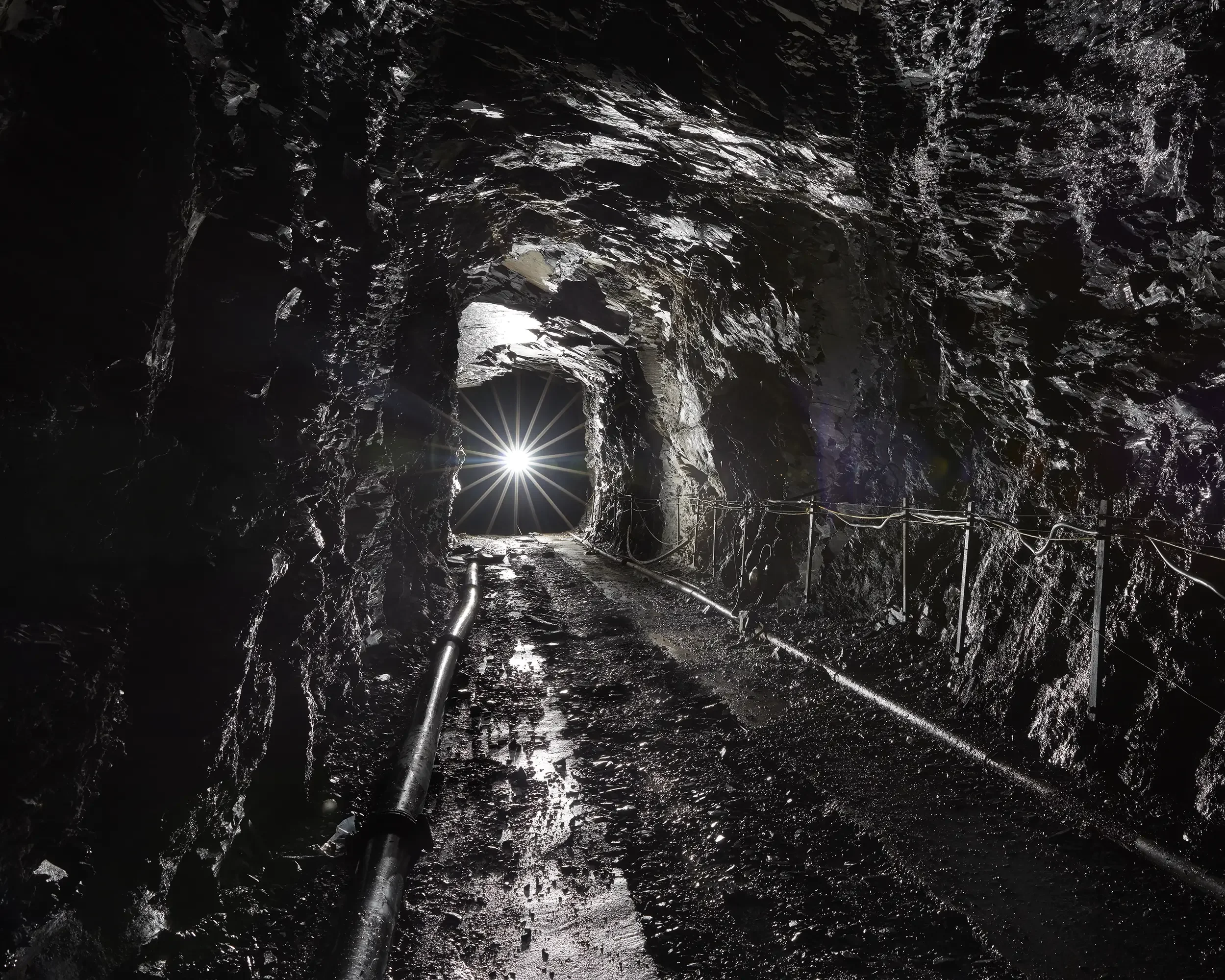
It began underground, in near-total darkness.
With only a torch and some ropes, I found Manod.
“Hide them — but not one picture shall leave this island.”
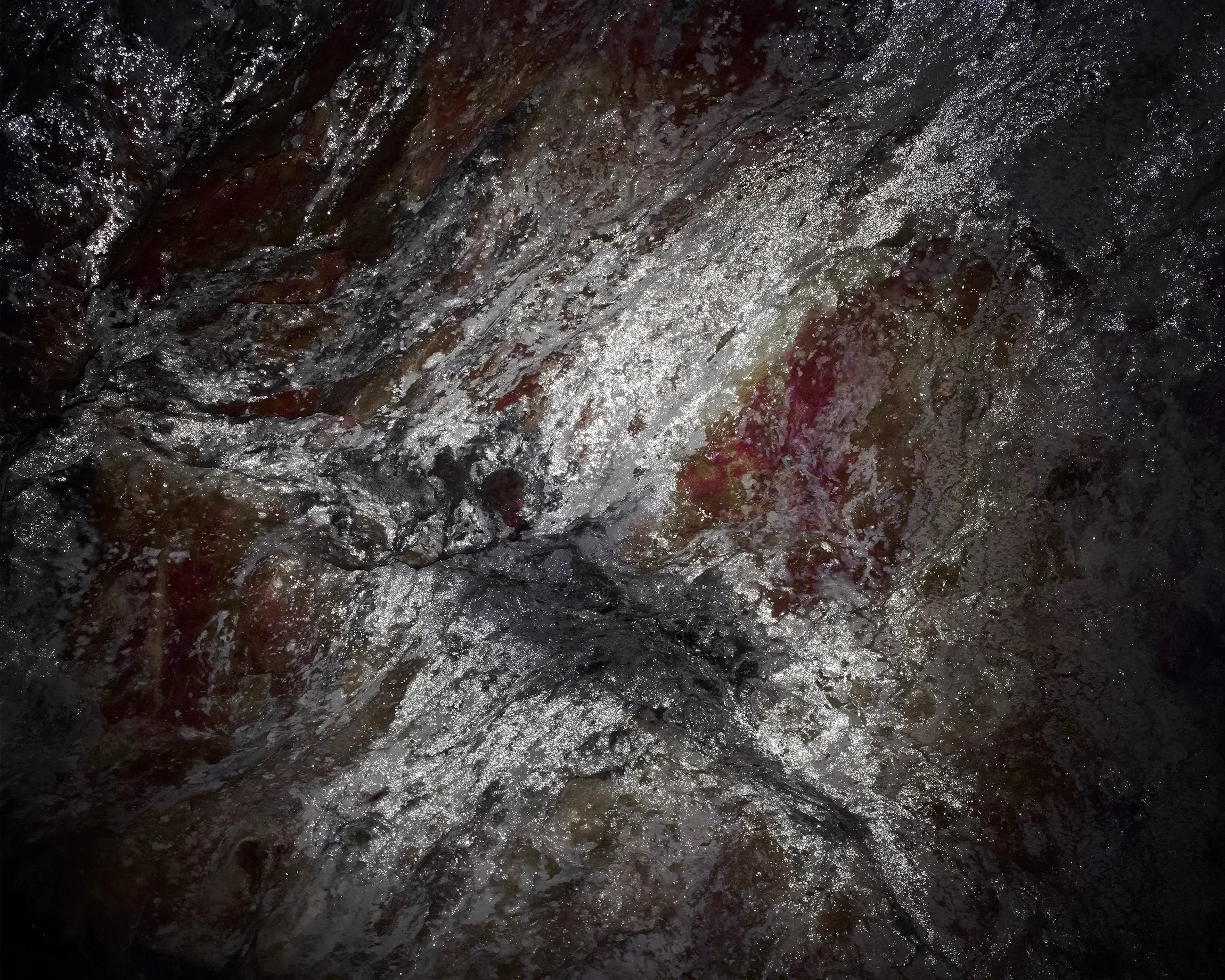
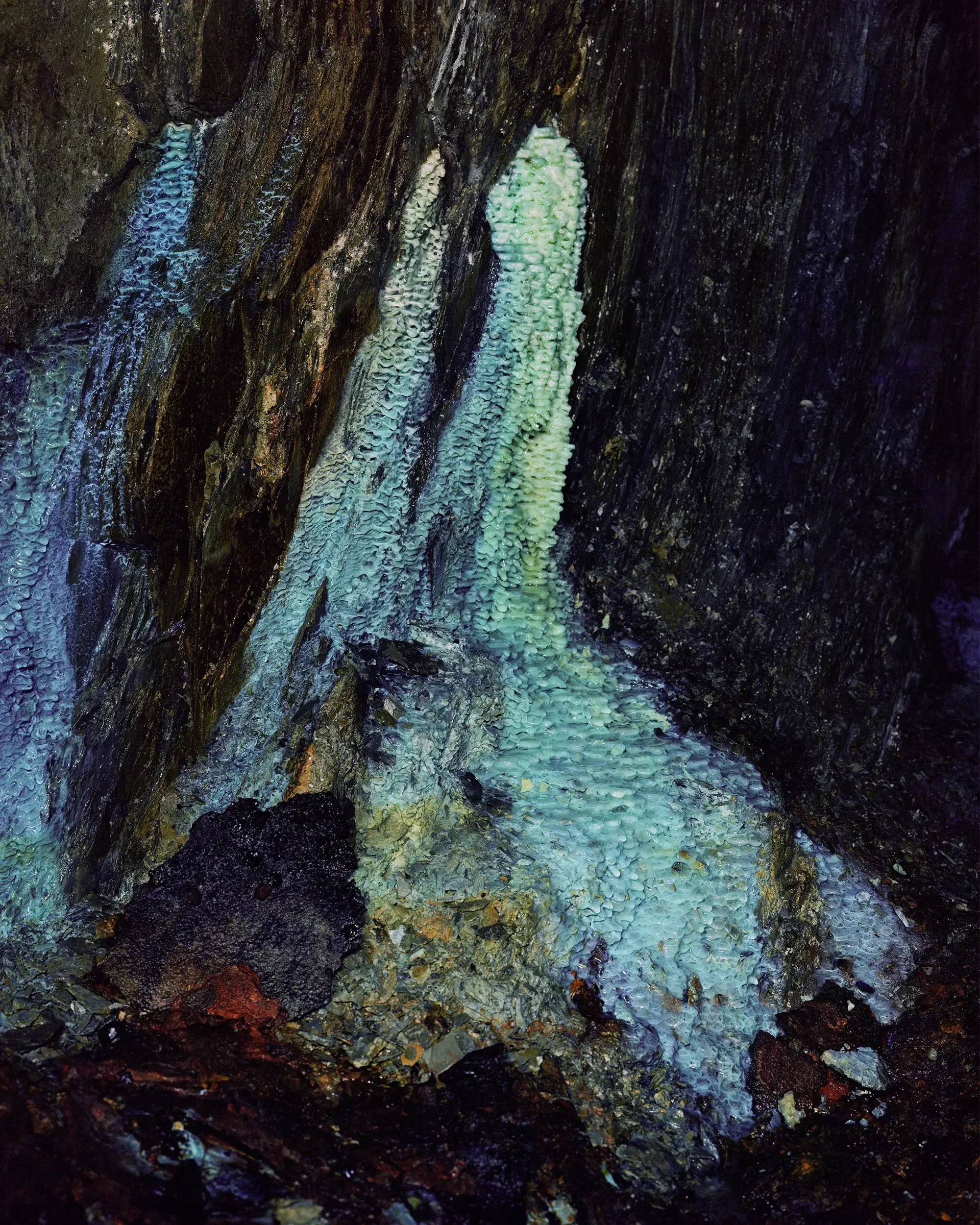
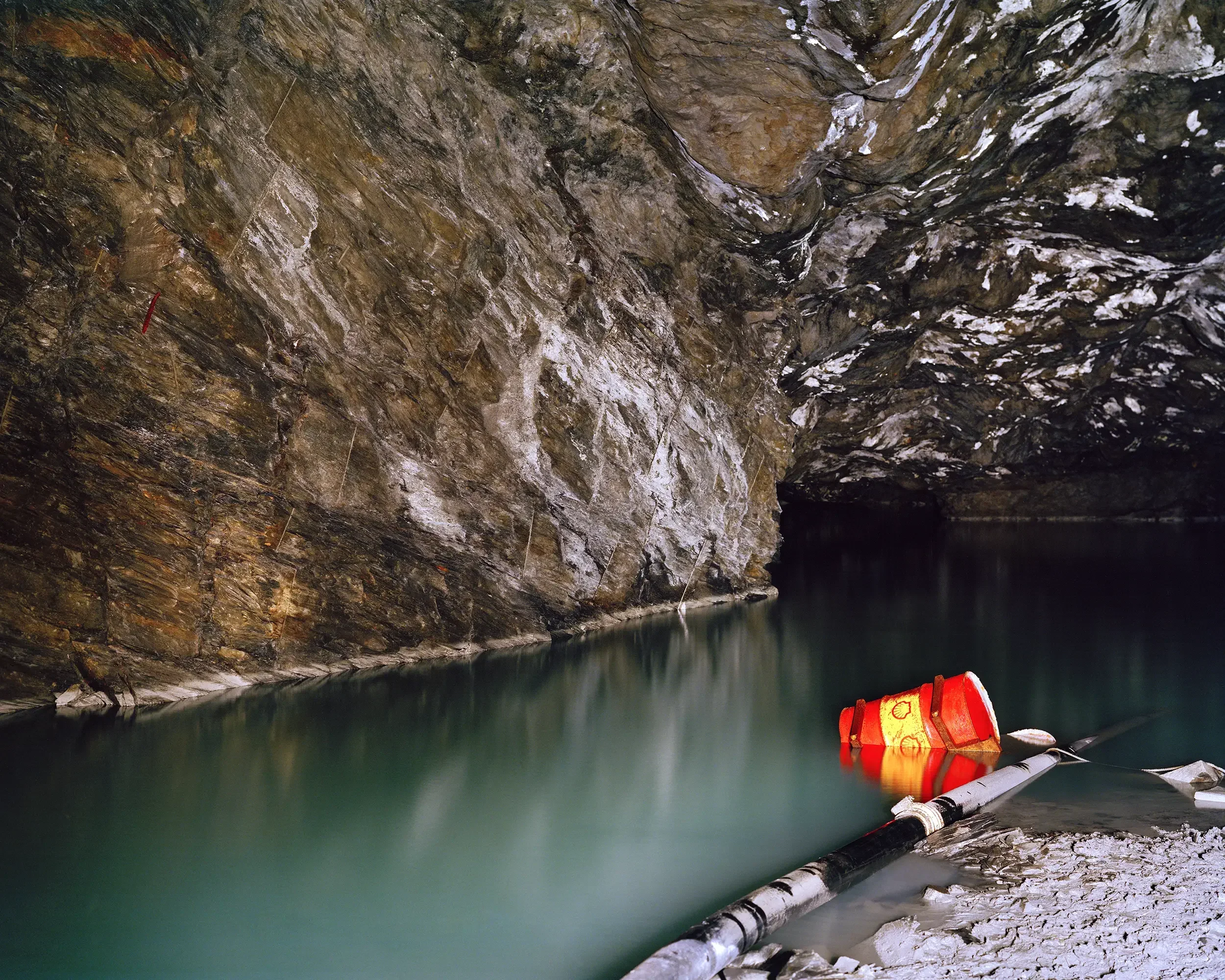
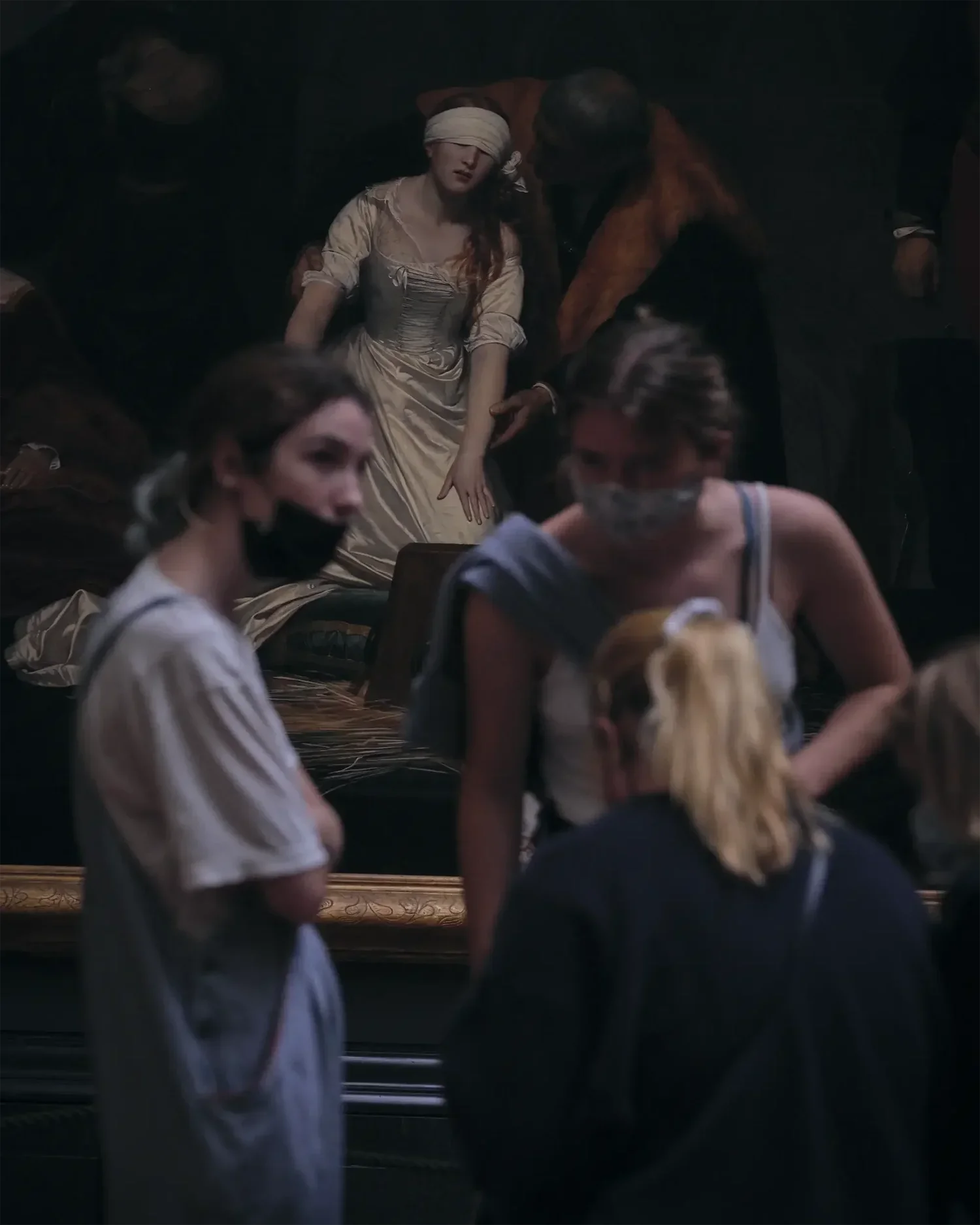
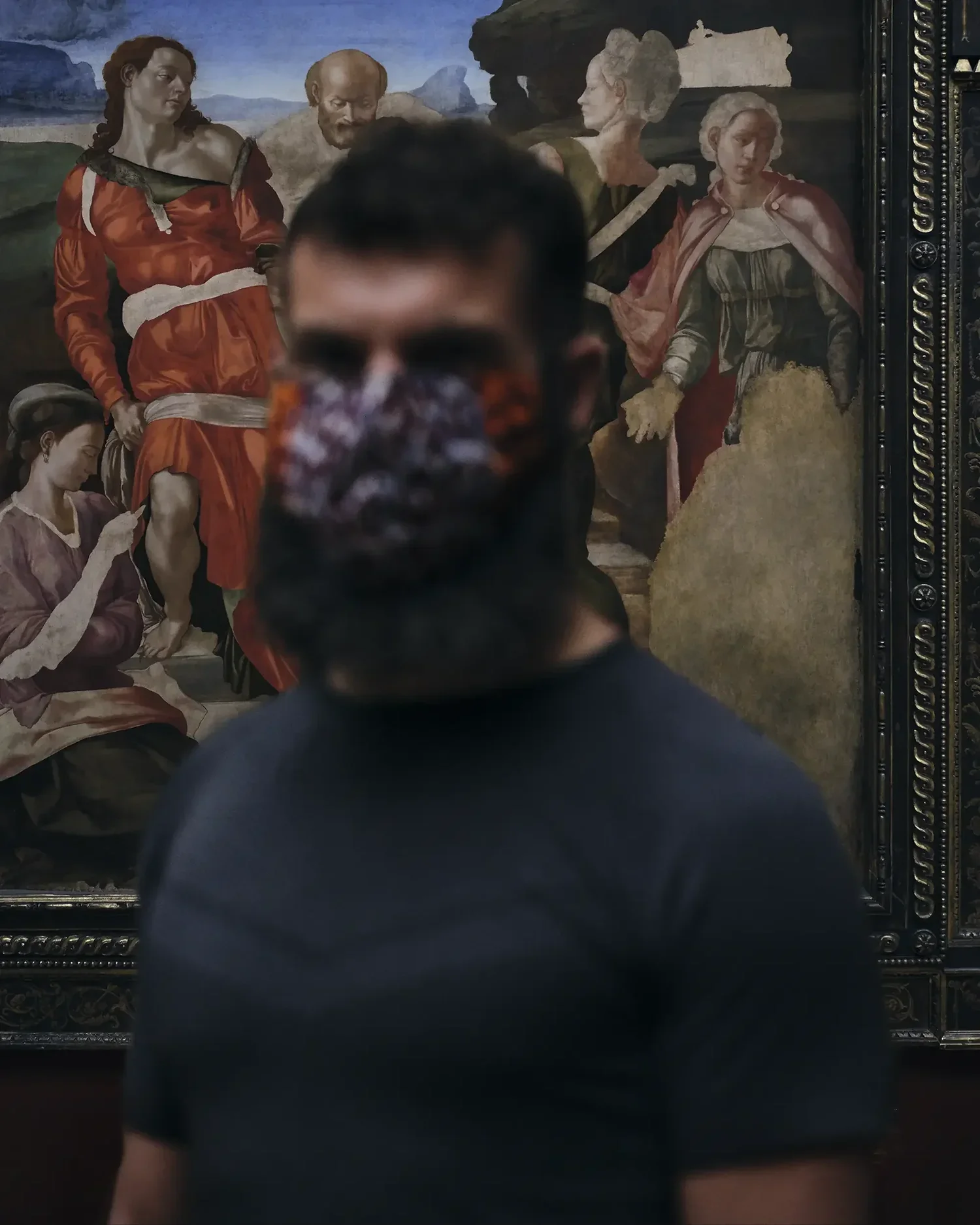
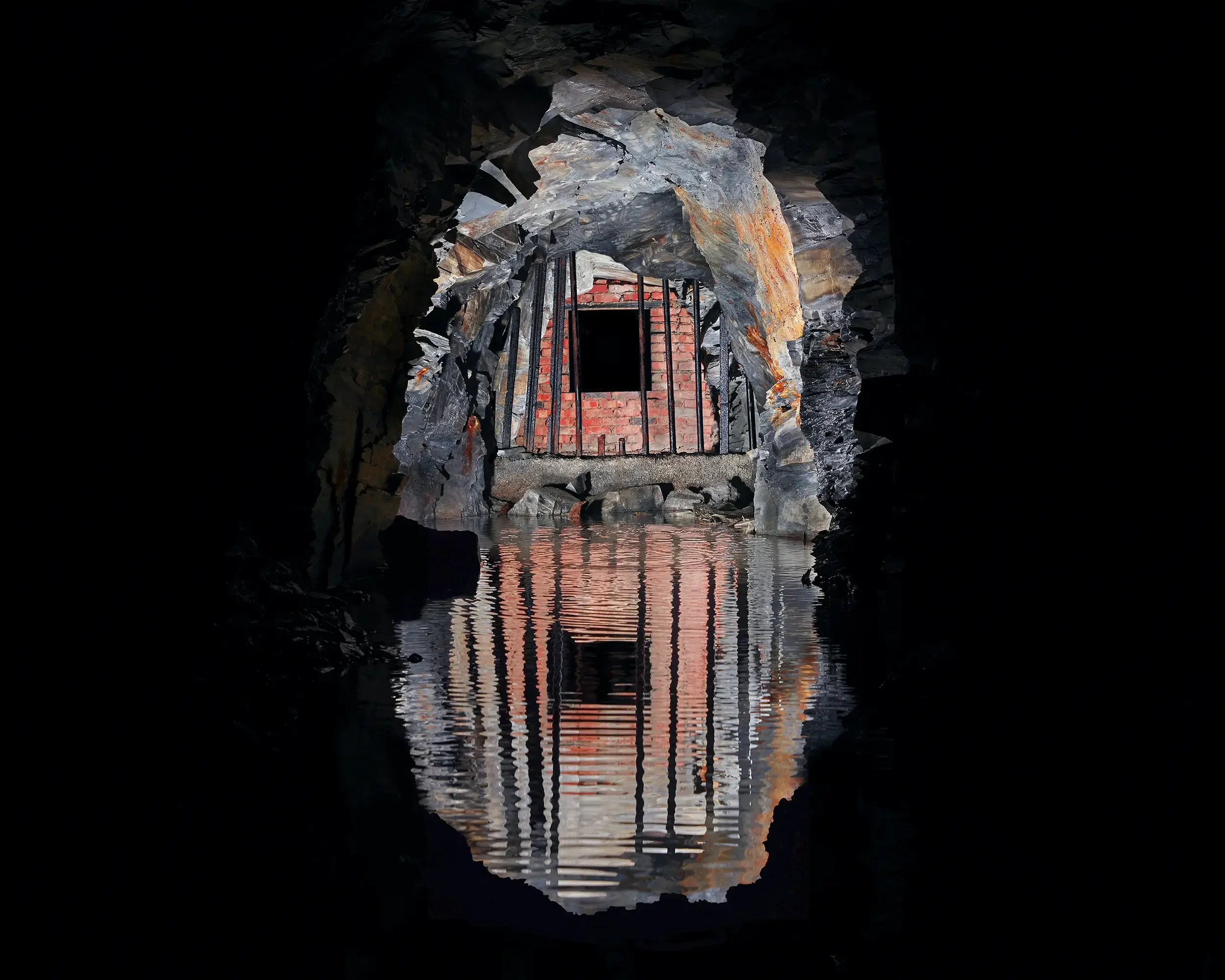
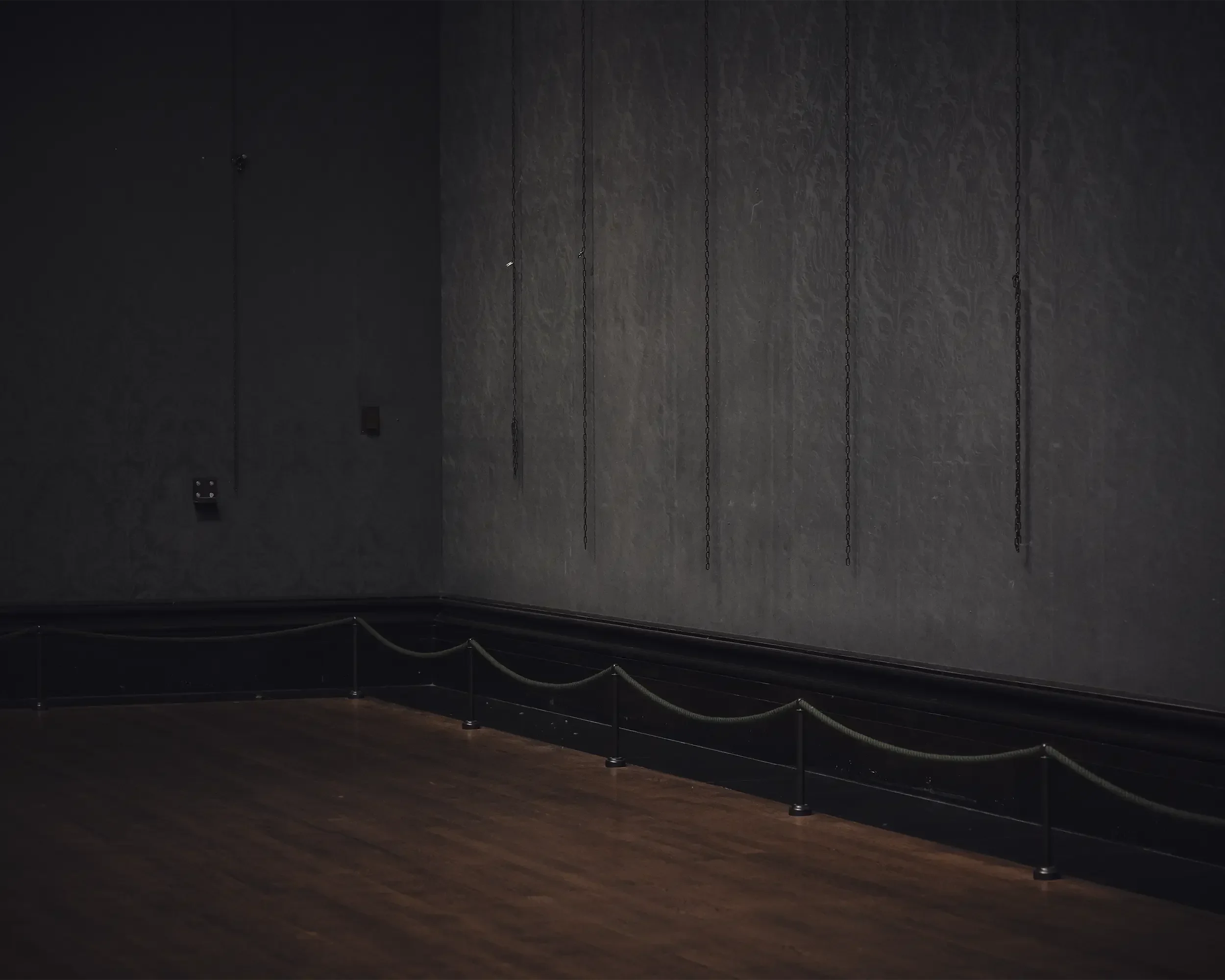
At a point when photography felt increasingly frictionless, I began working underground in abandoned mines in North Wales. In darkness, the act of making slowed down. Space had to be negotiated. Exposure became physical. The image felt less like capture and more like excavation.
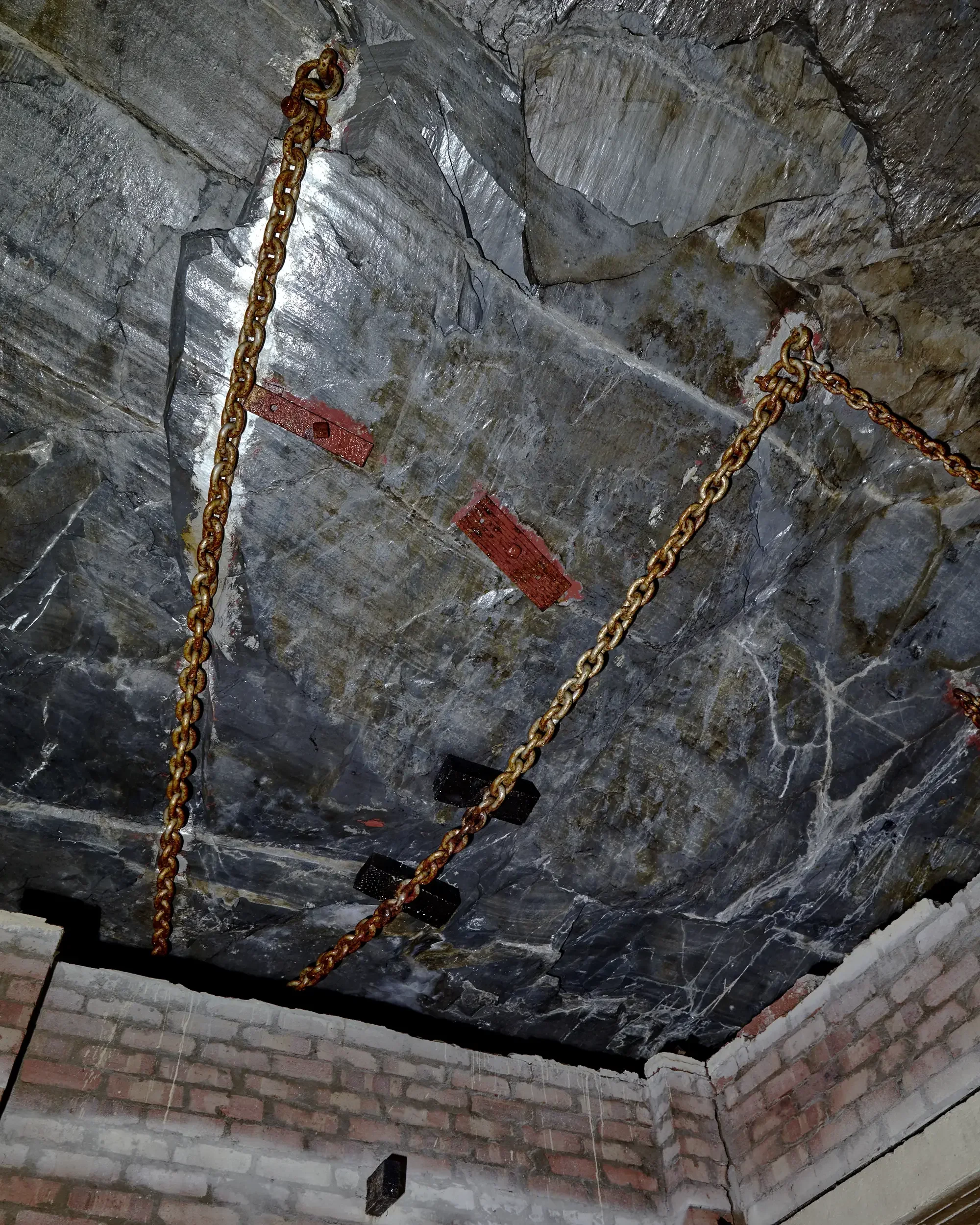
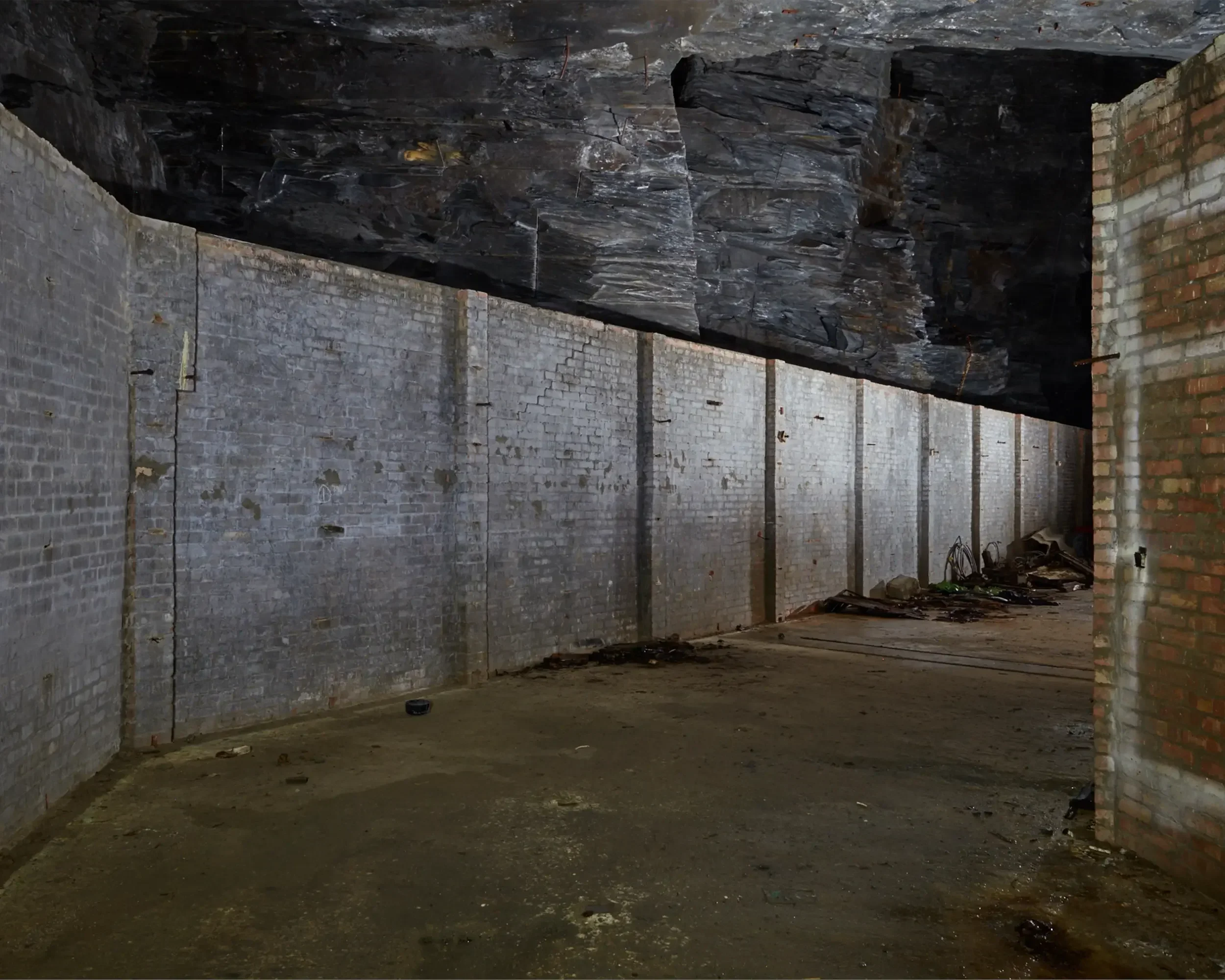
It was through this work that I encountered the story of Manod quarry. The slate mine where the National Gallery concealed its collection during the Second World War. In 1939, Kenneth Clark wrote to Winston Churchill, who replied with the instruction that the paintings be hidden in caves and cellars, but not sent overseas. Over the following years, the collection was moved into chambers cut deep into the mountain, with brick rooms built inside the mine to hold the paintings in stable conditions while war unfolded above ground.
The paintings returned to Trafalgar Square in 1945. Manod was left behind.
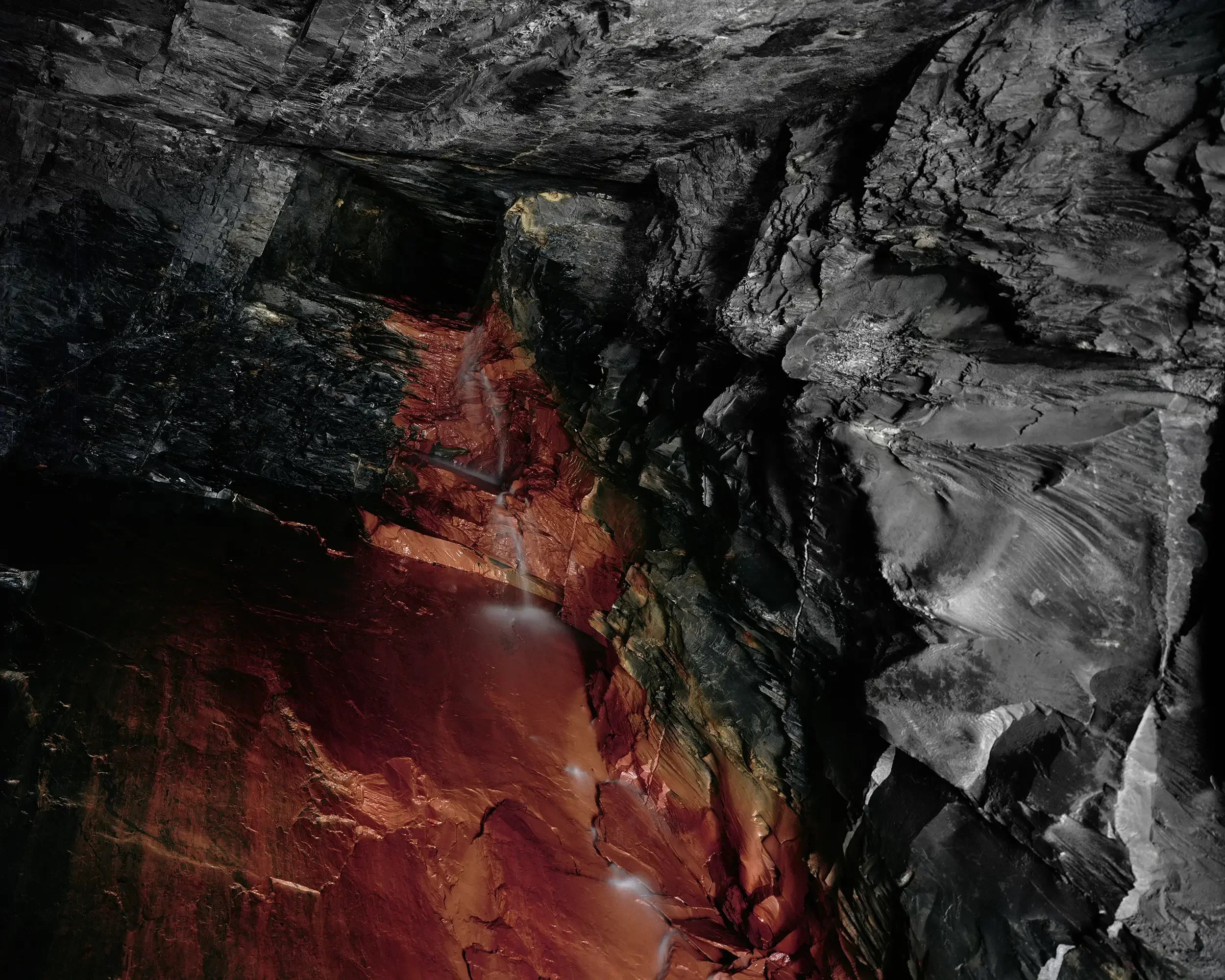
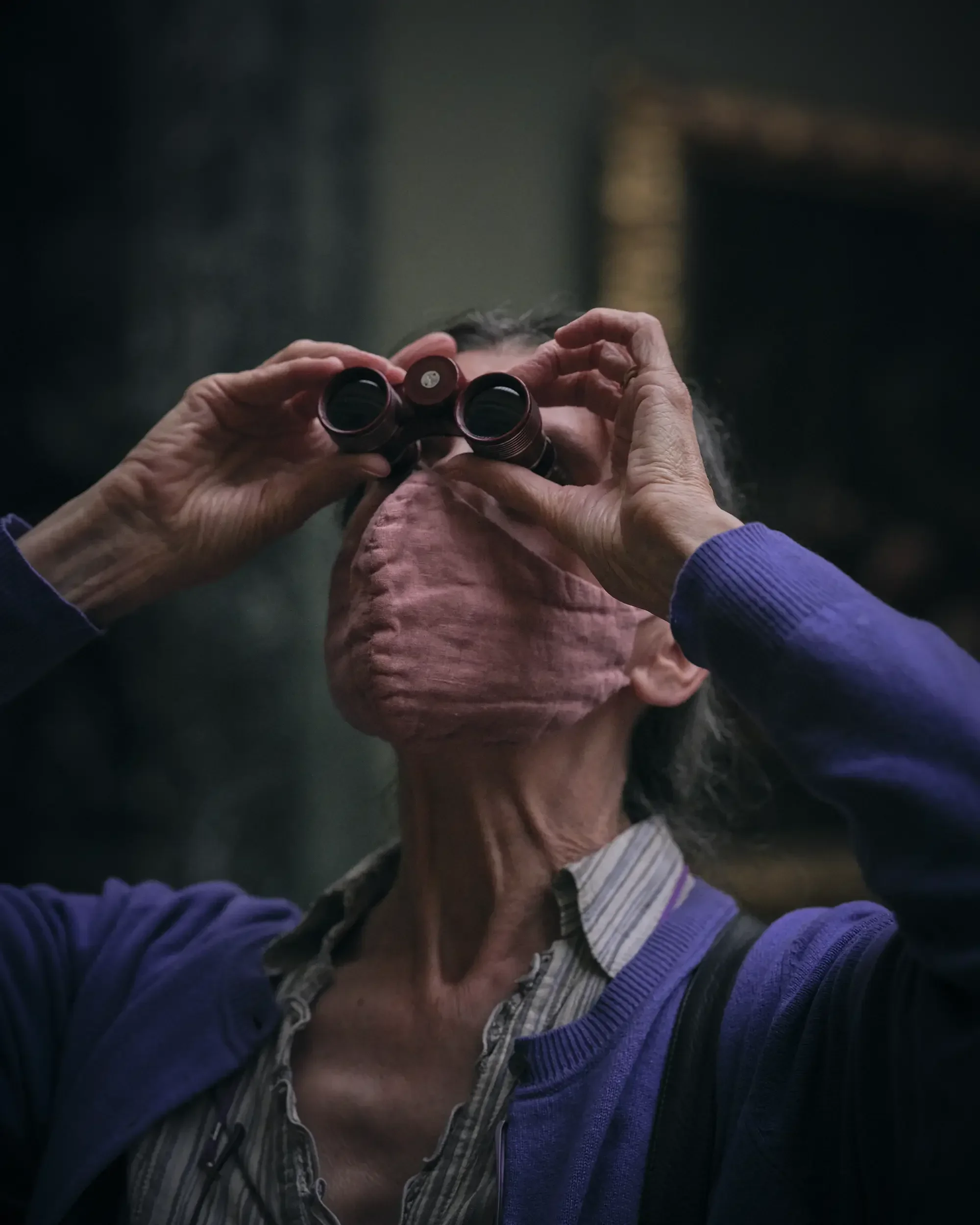
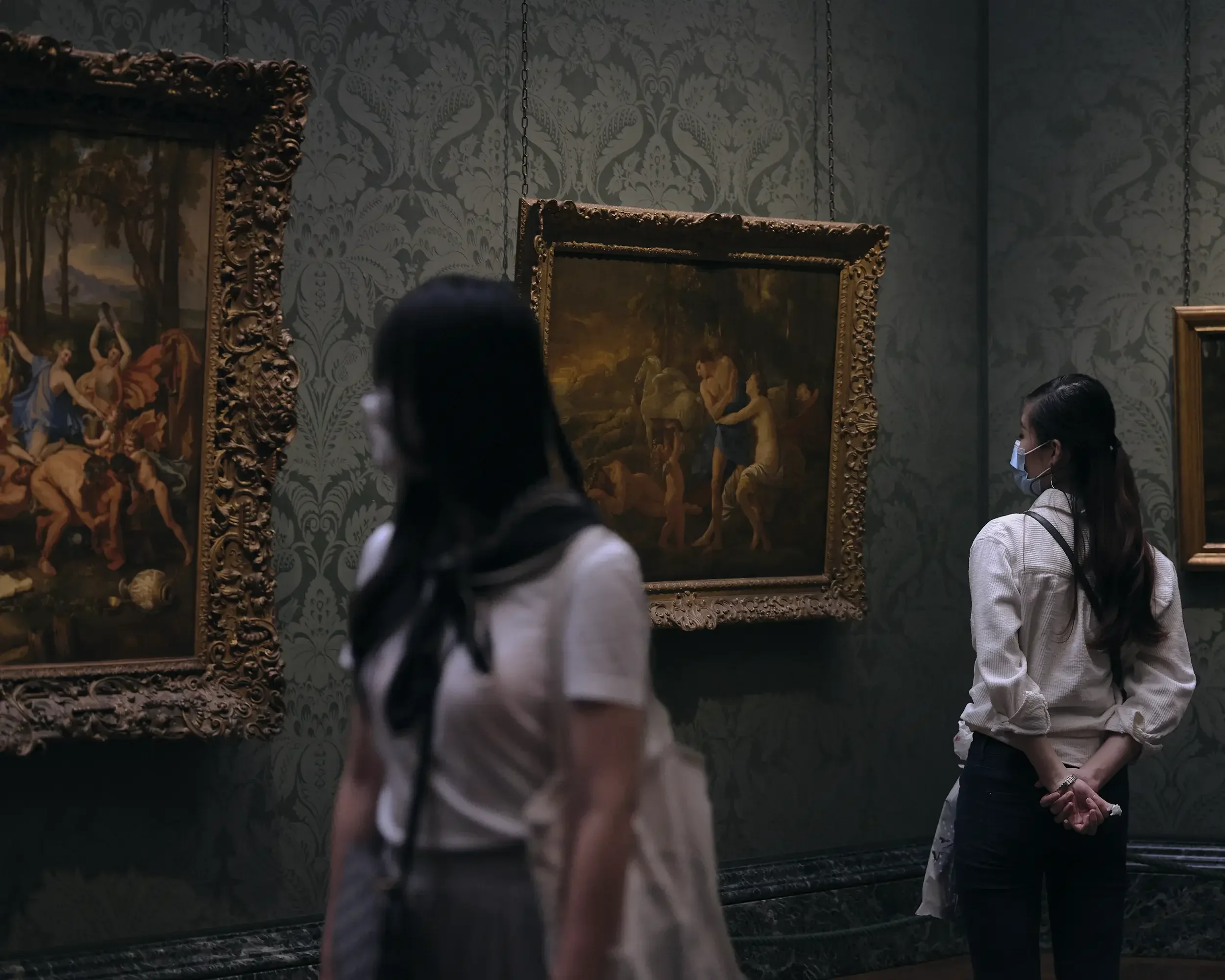
These photographs return to the mine as it stands today: flooded passages, collapsing chambers, brick structures overwhelmed by falling slate. They sit alongside images made inside the National Gallery during the pandemic. Another period when public life withdrew and the rooms fell quiet, the paintings present but the usual flow of bodies and voices suspended.
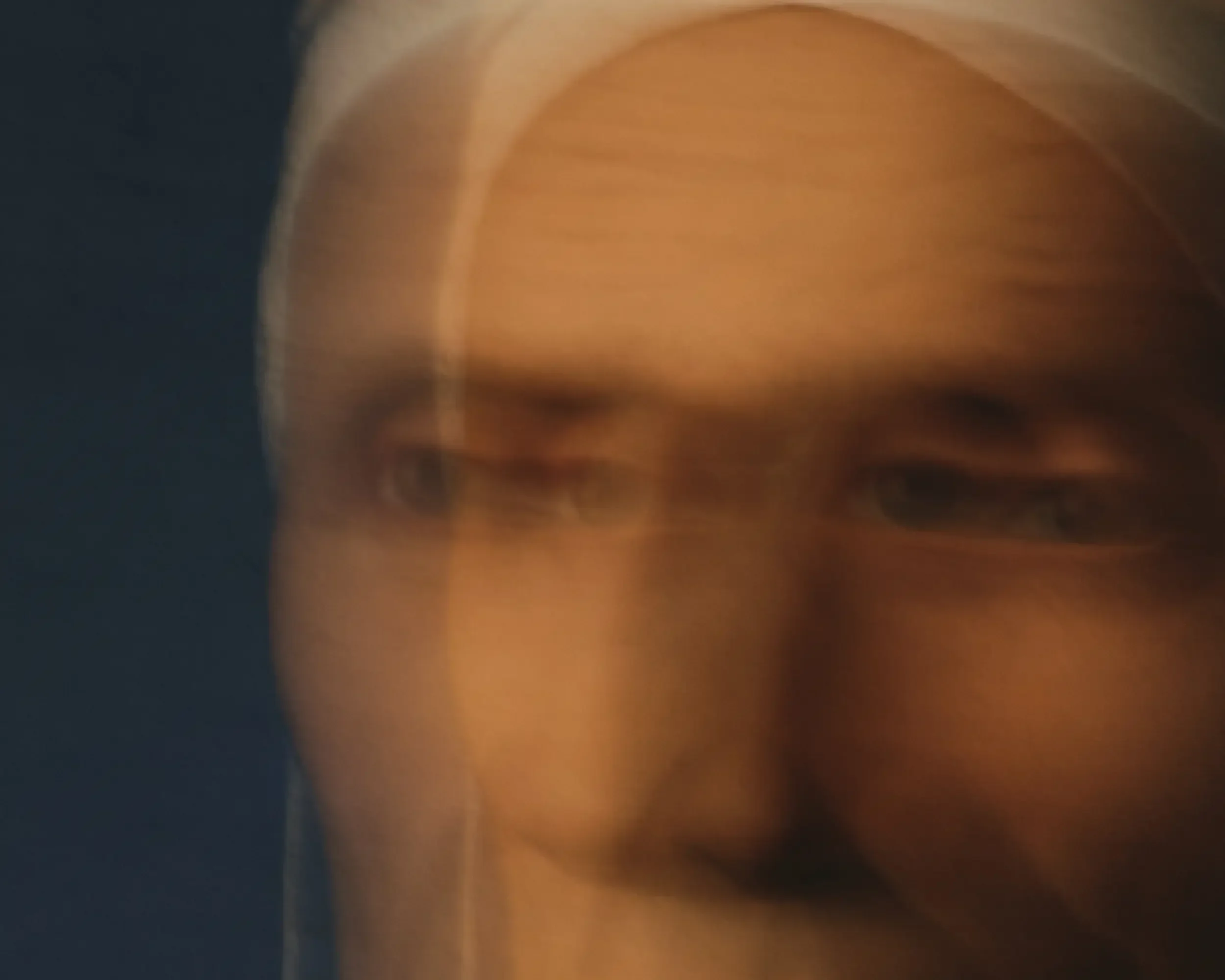
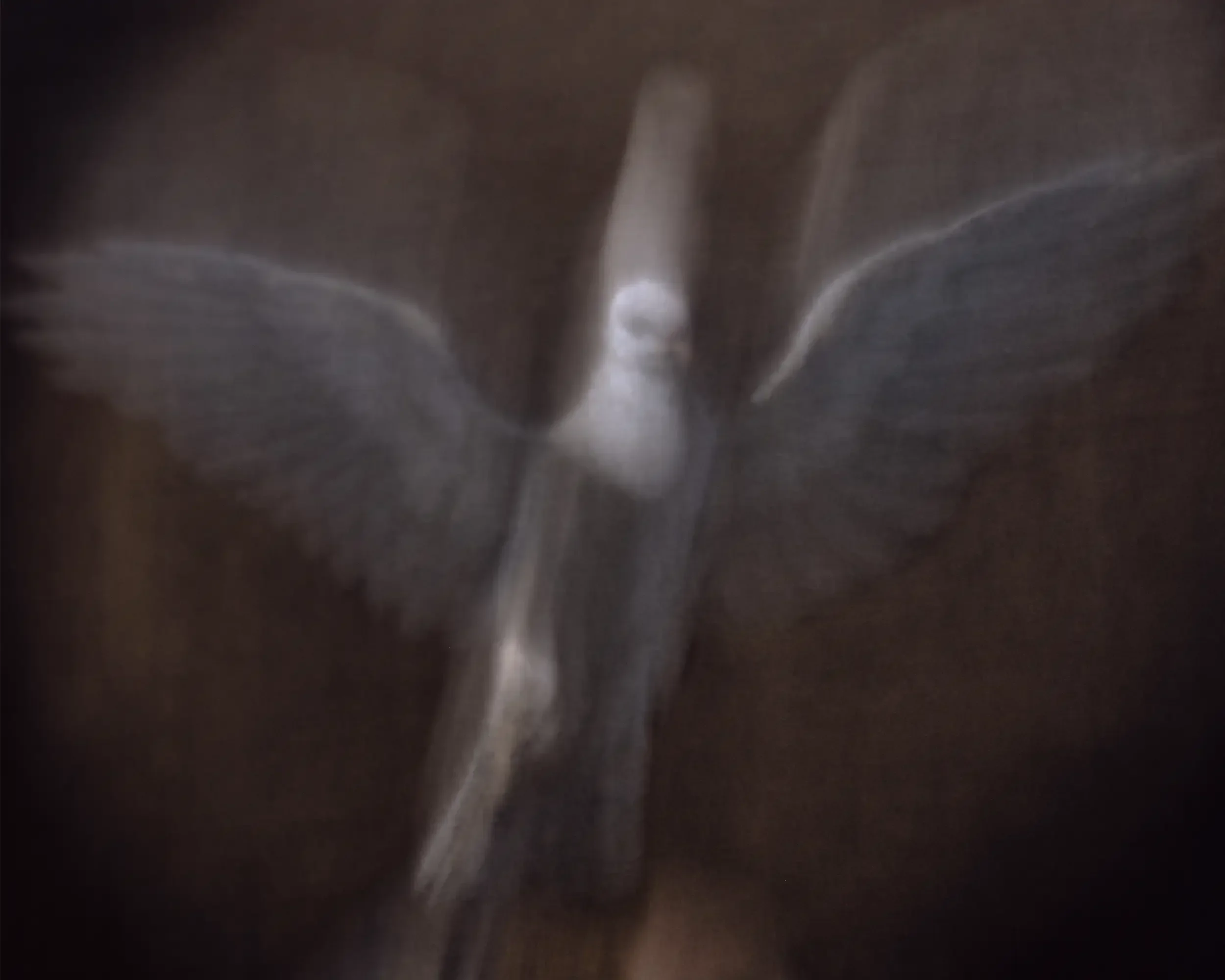
The work moves between mine and museum, concealment and display, protection and abandonment. It considers what it means to preserve something by removing it from view, and what remains, in the landscape, in the institution, and in the mind, once the urgency has passed.