About Robin
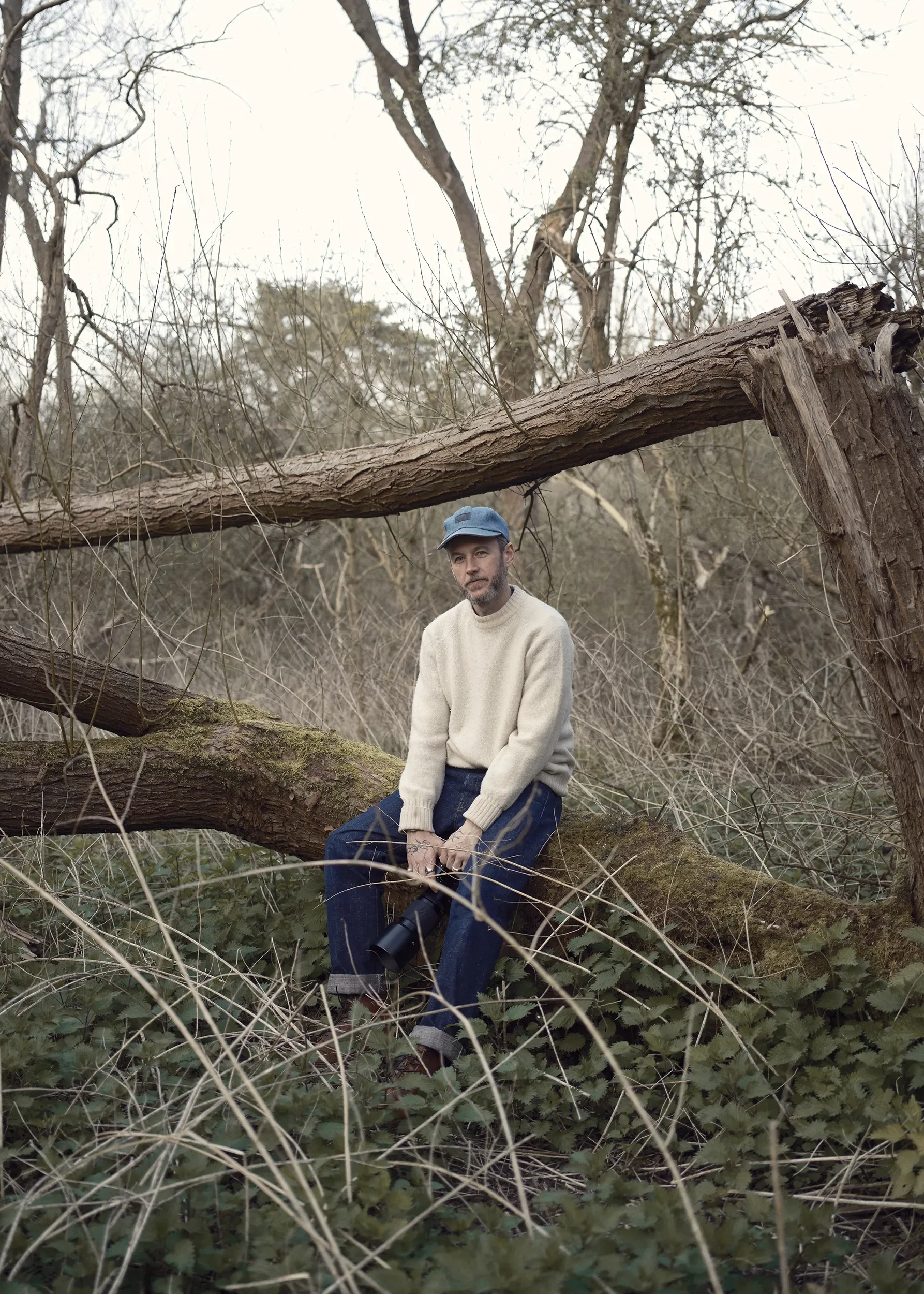
I am a British Australian artist working predominantly with photography. My work explores the edge of human presence and the natural world, in places where beauty, damage and resilience coexist.
Much of my work begins in landscapes shaped by use: farmland, industrial margins, ritual sites and forgotten infrastructure. I’m drawn to environments where nature remains present but altered, where belief, labour and industry have left their marks, and the land holds its history quietly, like sediment.
Across long term projects including Bastard Countryside, Apiary and The Autophagy of Us, I return to the same questions: what do we leave behind, what do we build over, and what continues despite us? I am less interested in isolated events than in atmosphere, residue and the slow accumulation of meaning over time.
My work has been exhibited at the National Gallery, the Royal Academy, Somerset House and Victoria Miro, and is held in the collections of the V&A and the Martin Parr Foundation. My monographs Bastard Countryside and Apiary are published by Loose Joints. I have also worked across film and performance, including Winged Bull in the Elephant Case, made with choreographer Wayne McGregor for BBC Performance Live and filmed inside the National Gallery.
I grew up between Australia and the south coast of England and now work from my studio at the Needlemakers in Lewes. Photography has always interested me as a physical object as much as an image. I produce, print and frame my limited edition works in the studio, maintaining close control over every stage of their making and presentation. My practice is increasingly extending into sculptural forms in which photographs are brought into direct relationship with timber, surface and the material histories of the landscape.
Each body of work develops over many years and may take the form of an exhibition, installation, film or book. Together, the images build an immersive experience, one intended to be lived with, returned to and gradually understood.
Studio
Robin’s studio is based at the Needlemakers in Lewes, East Sussex. A small gallery at the entrance presents photographs, editions and developing work and is open to visitors by appointment.
Alongside his own work, Robin offers bespoke picture framing and fine art photographic printing for artists, collectors, designers and private clients.