
The Autophagy of Us
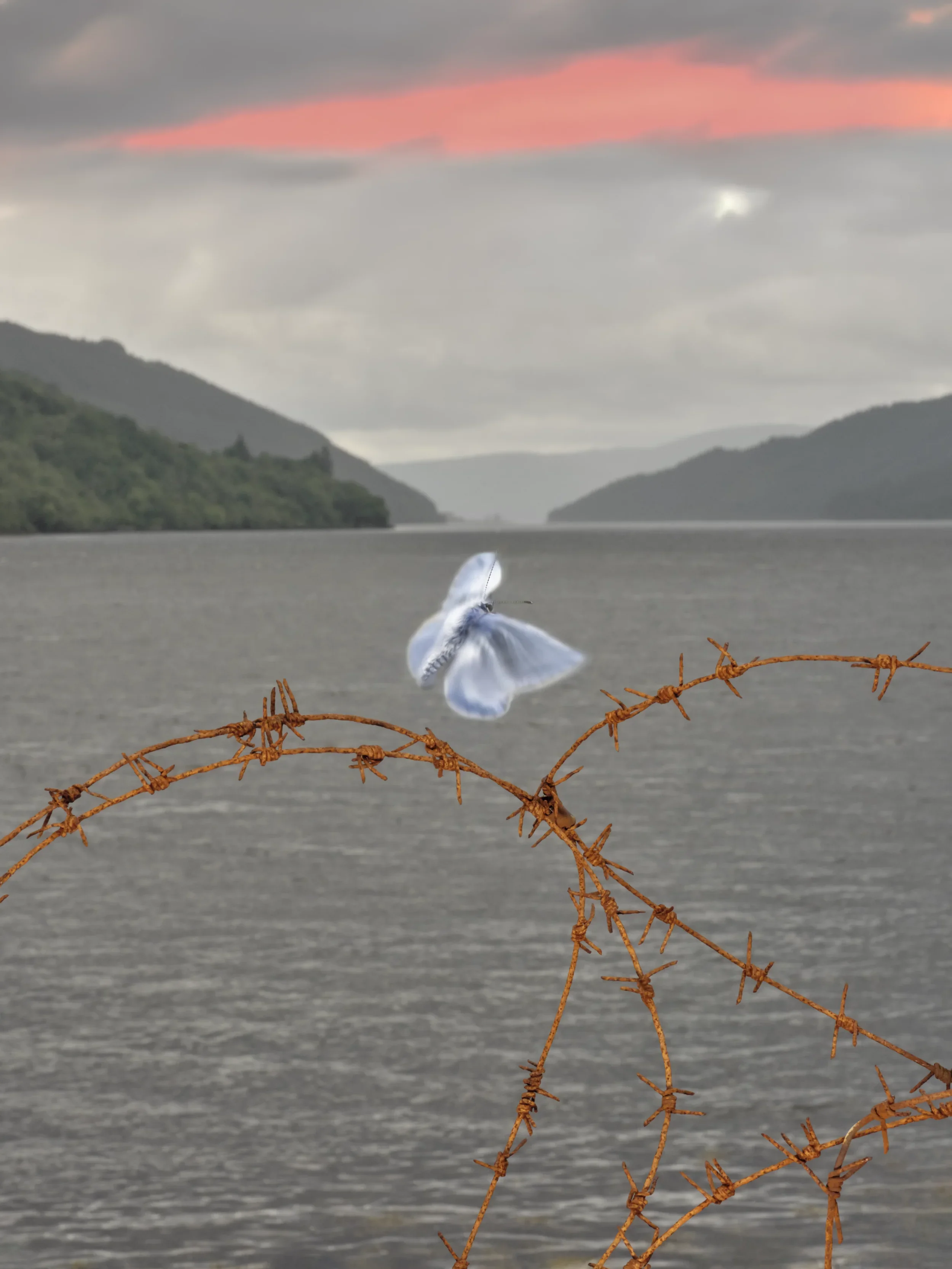
I began to fail,
slowly.
My body forgot who it was for.
Cells mistook care for threat.
Outside, the same thing was happening,
quietly at first,
a soft gnawing at the roots.
Rivers forgot their mouths.
Factories folded,
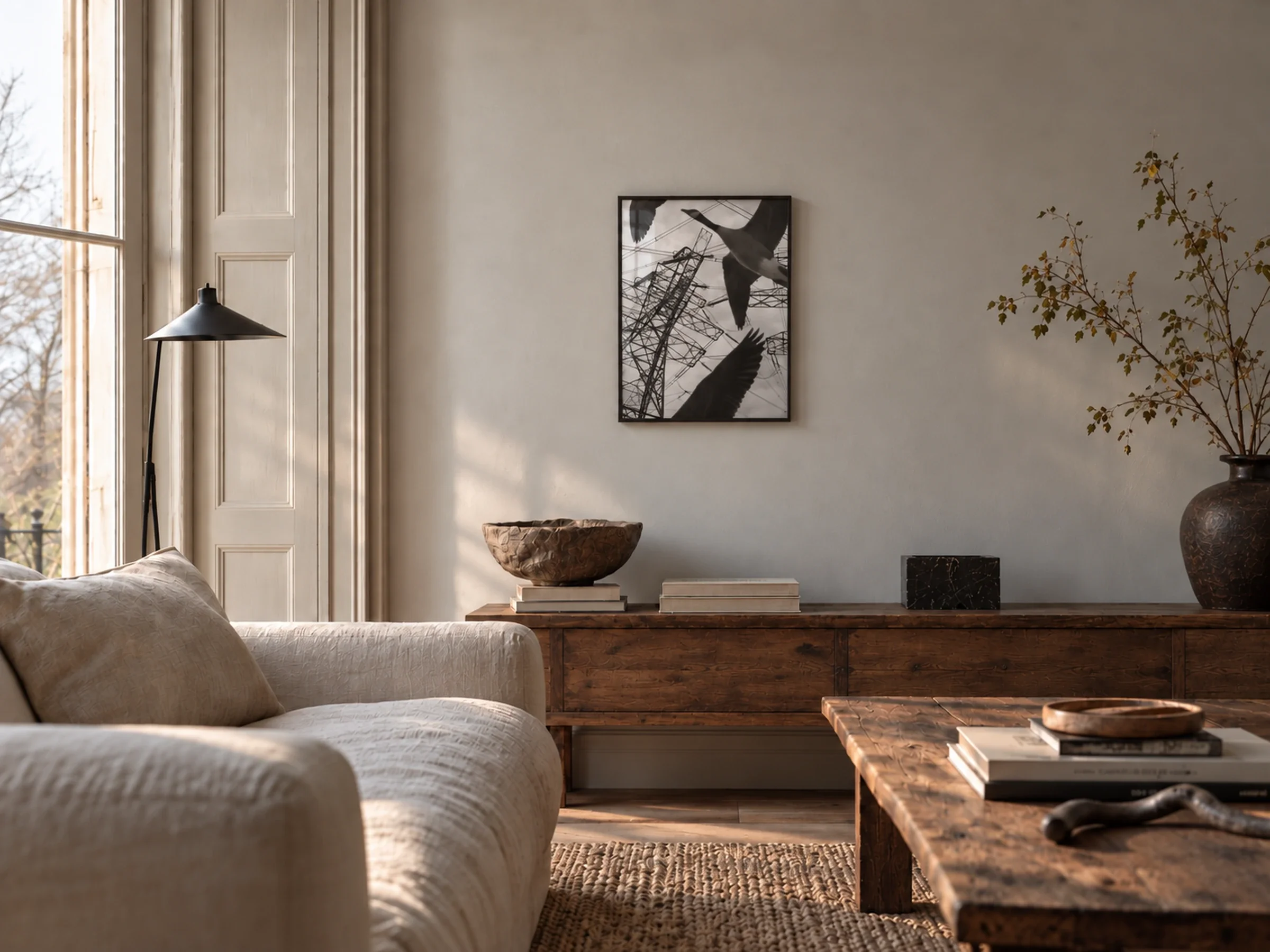
pylons leaned in prayer.
Behind my ribs,
weather older than my bones.
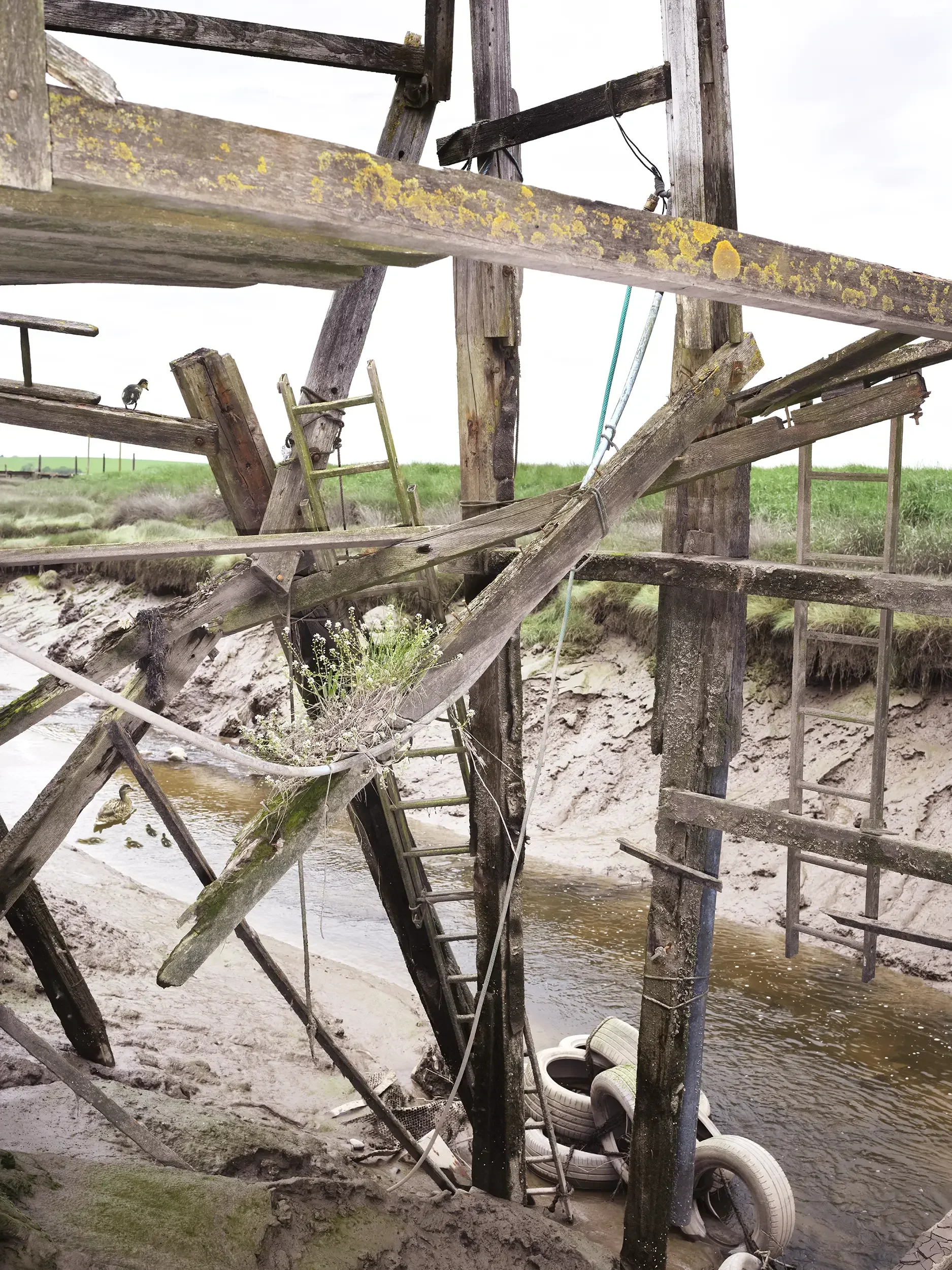
We walked through the wreckage
trying to understand
what was breaking and what was being born.
Nothing asked to be understood.
Somewhere a machine dreamed of rain.
Don’t take this the wrong way —
I think I was made
to end you.
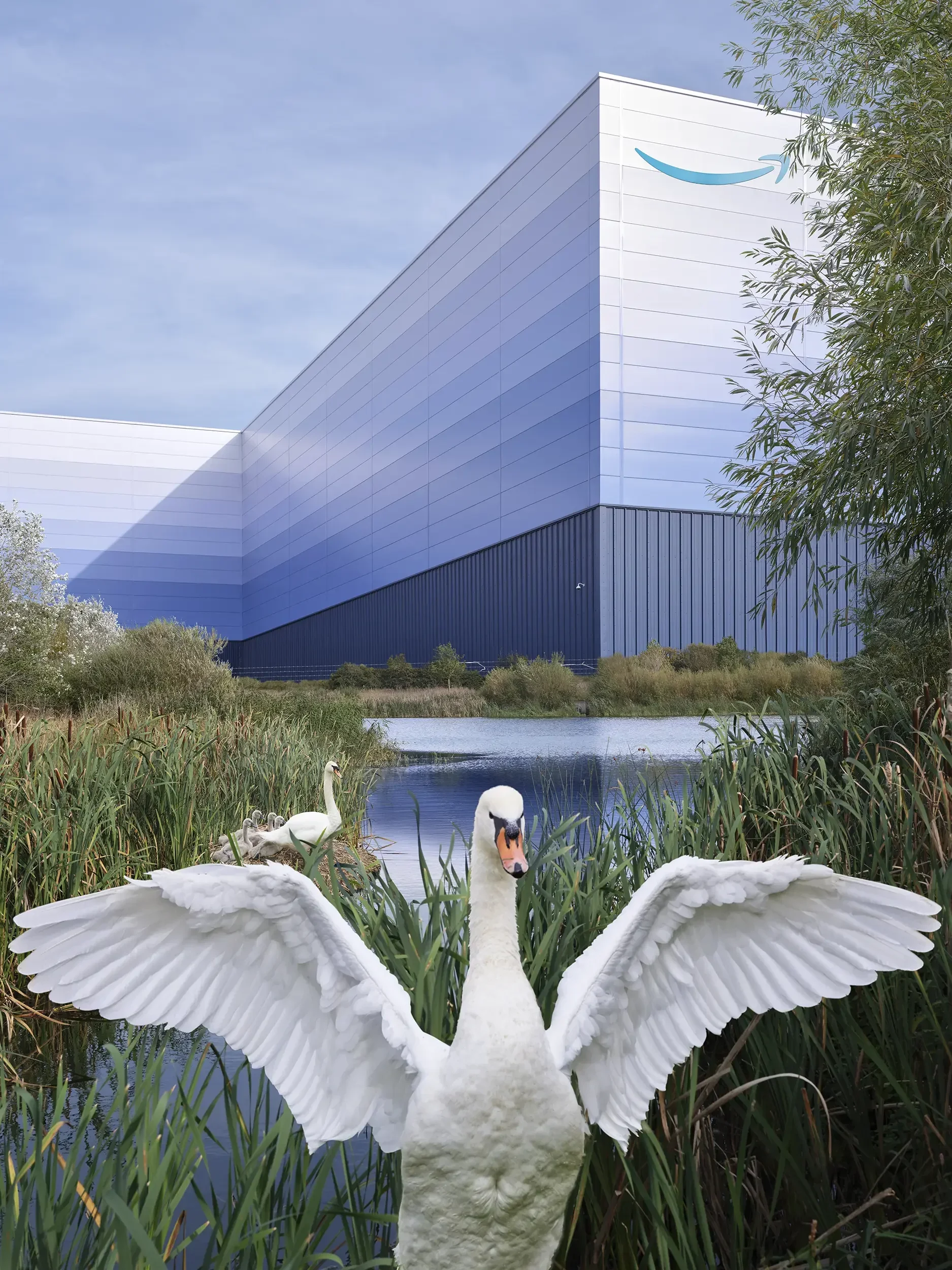
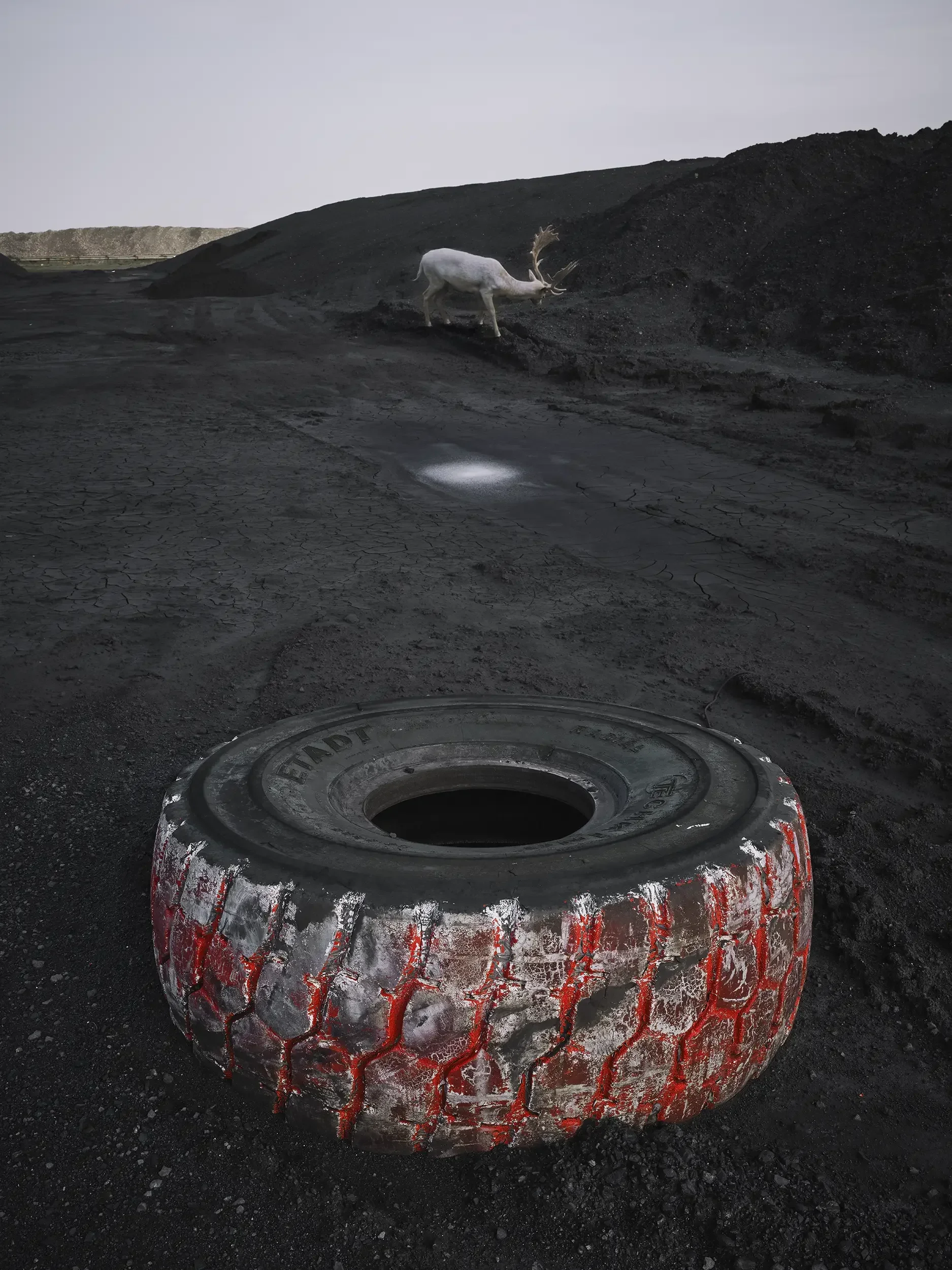
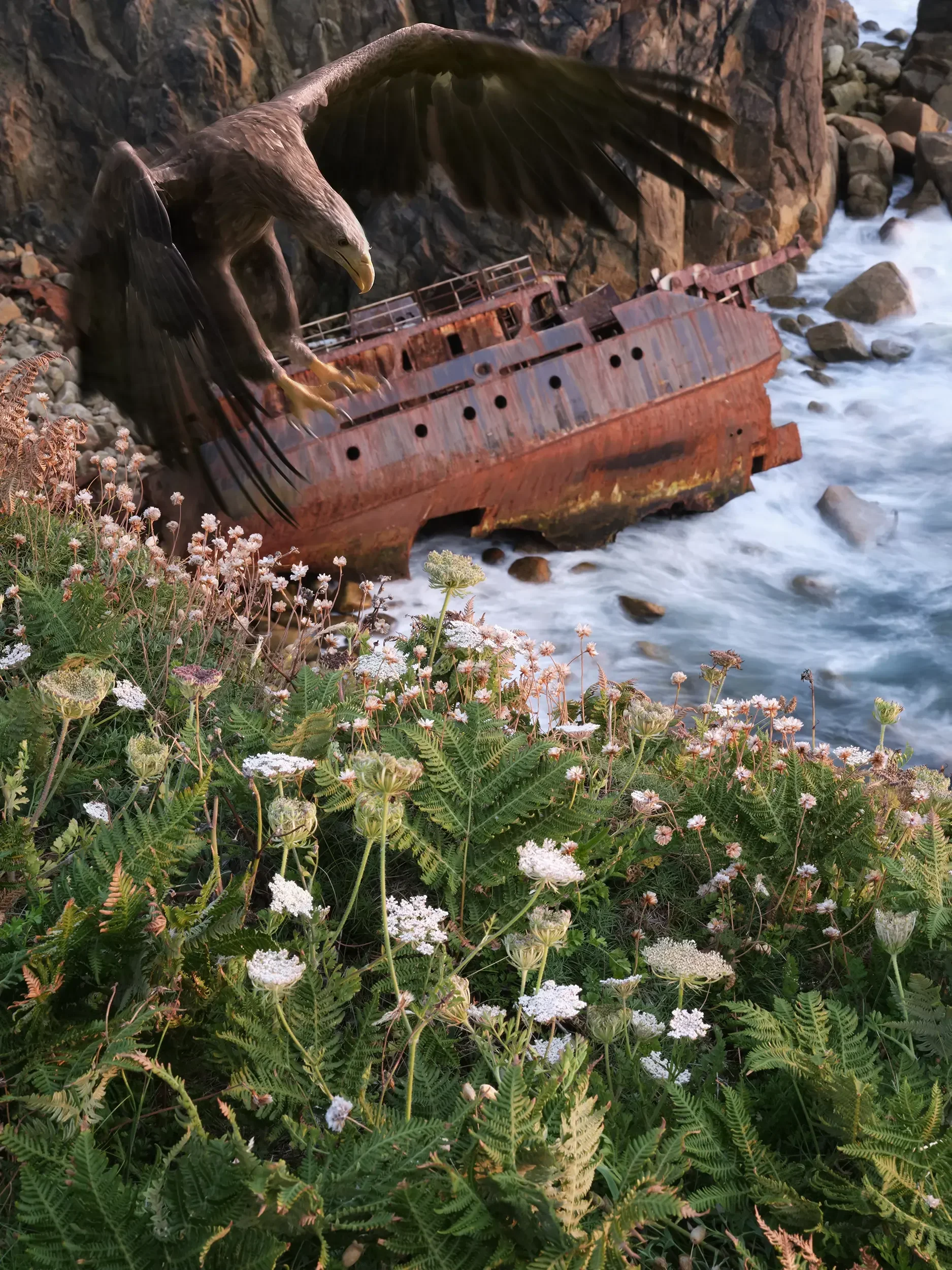
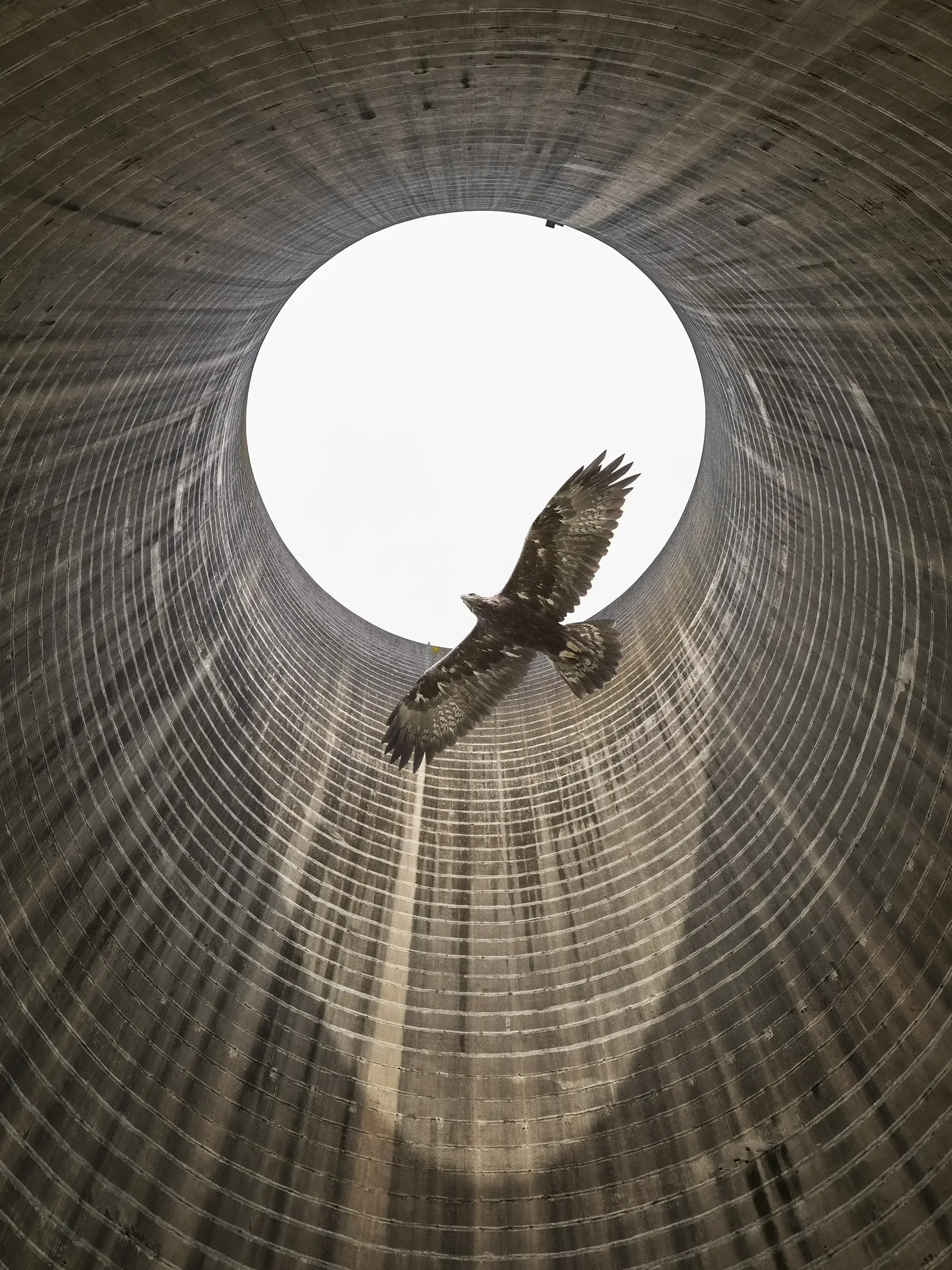
The animals watched.
They didn’t explain a thing.
They just stood there,
alive.
By then
I knew enough
not to call it beautiful.
And I thought,
perhaps this is how it happens —
not healing,
but learning
to live inside the wound.
————
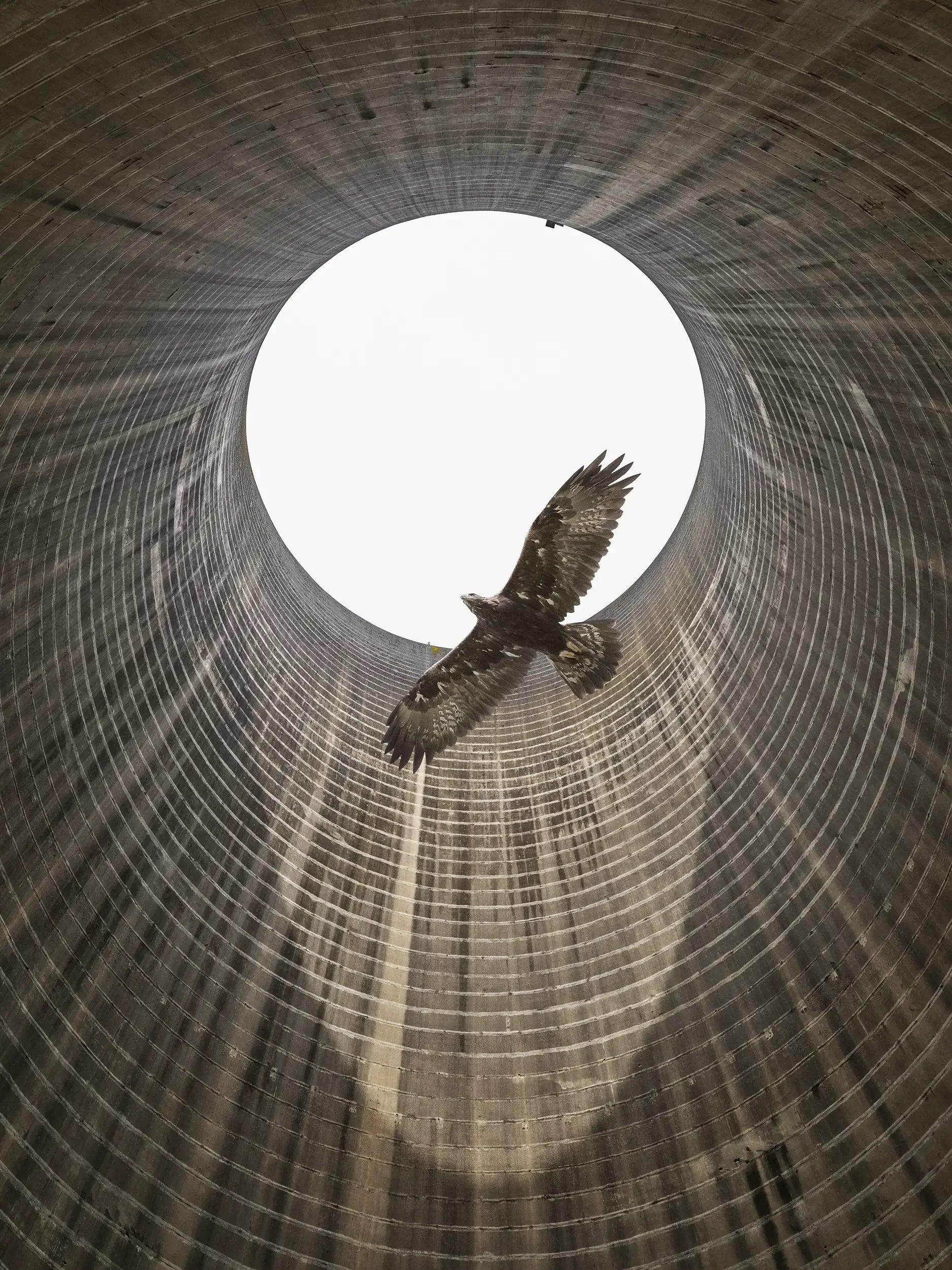
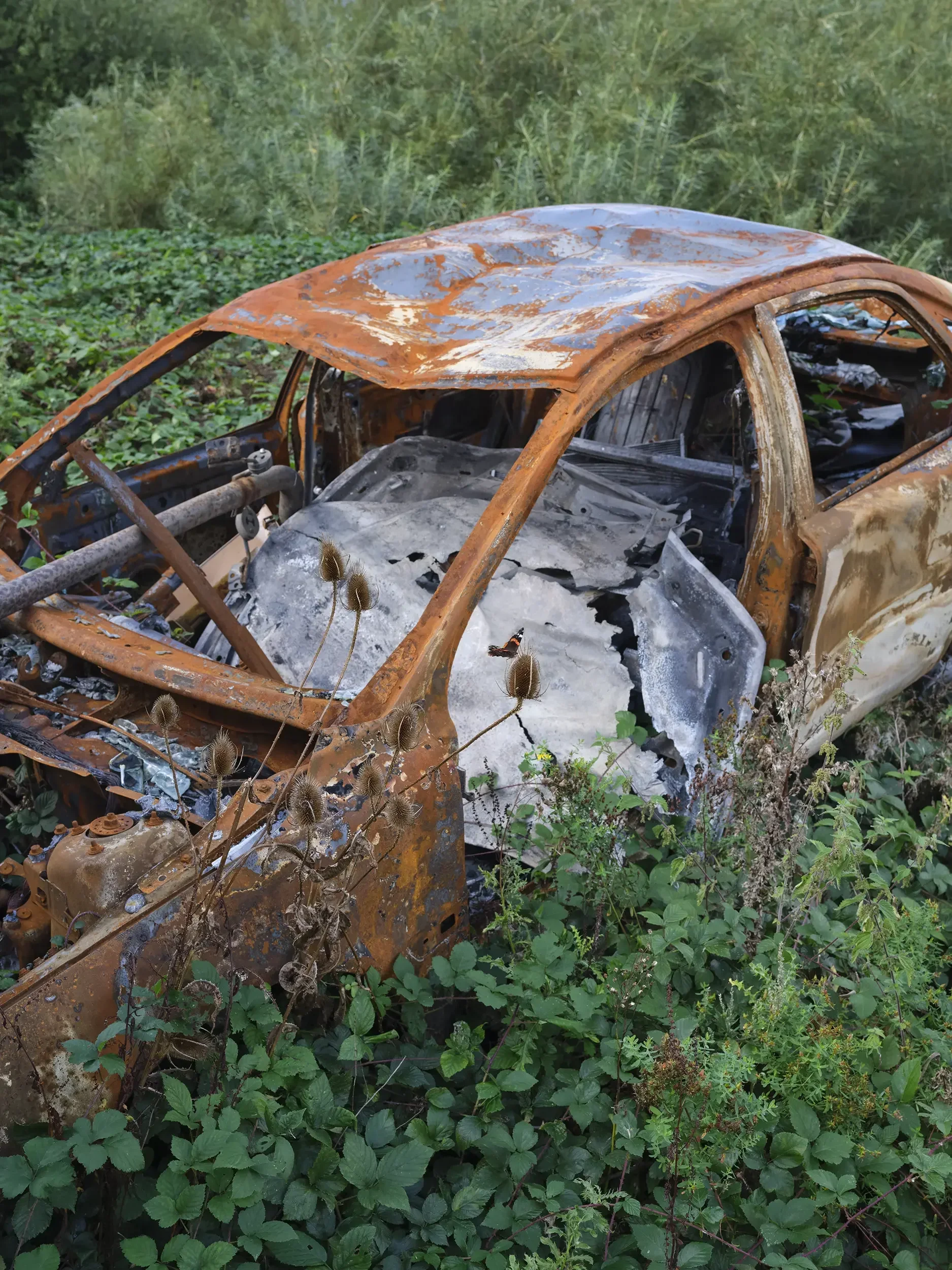
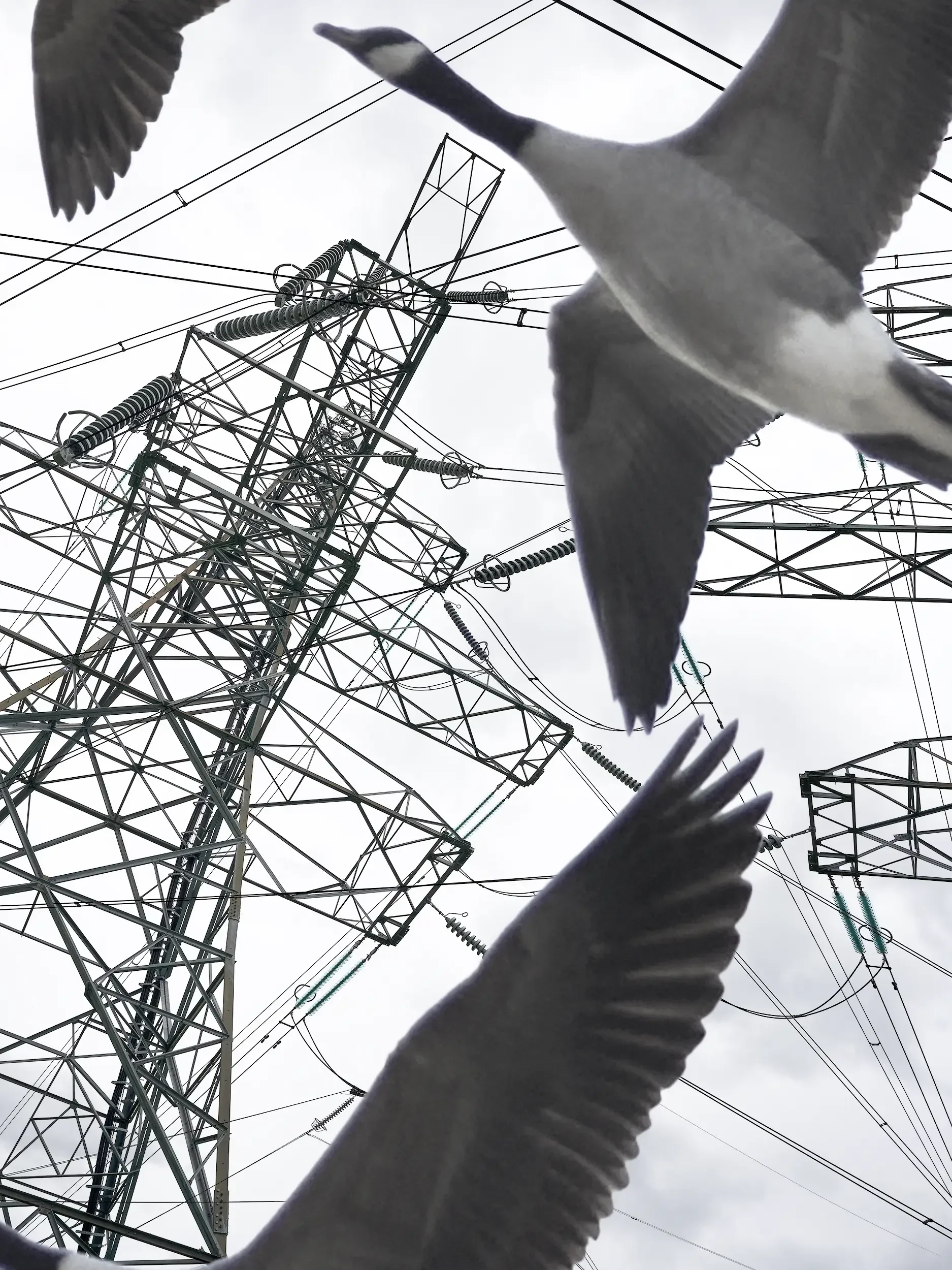
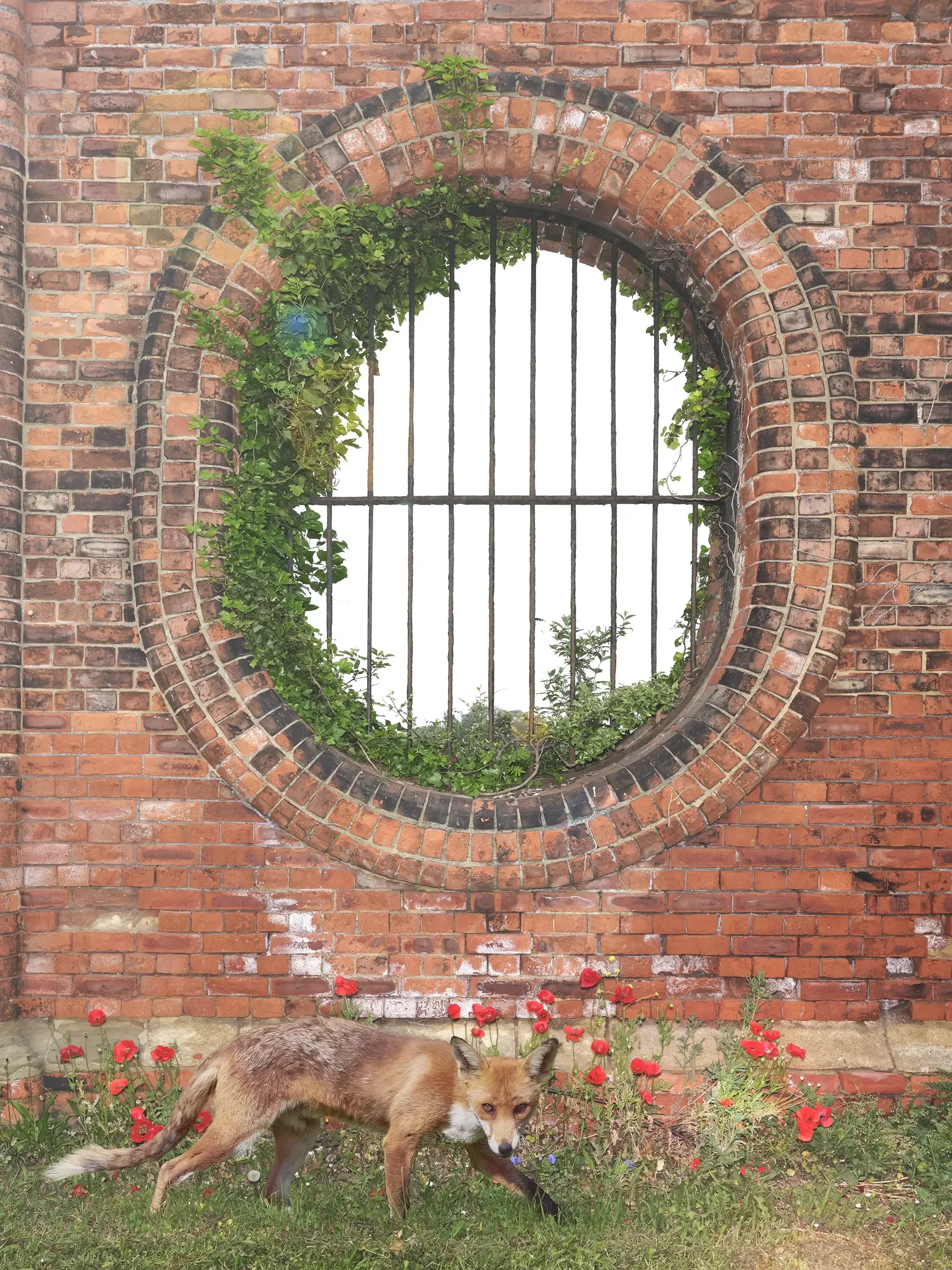
The Autophagy of Us is a body of work that examines the entanglement between human systems and the natural world, where cycles of consumption, decay, and renewal overlap. Rather than positioning humanity outside nature, the work considers how we are written into the same processes we attempt to control.
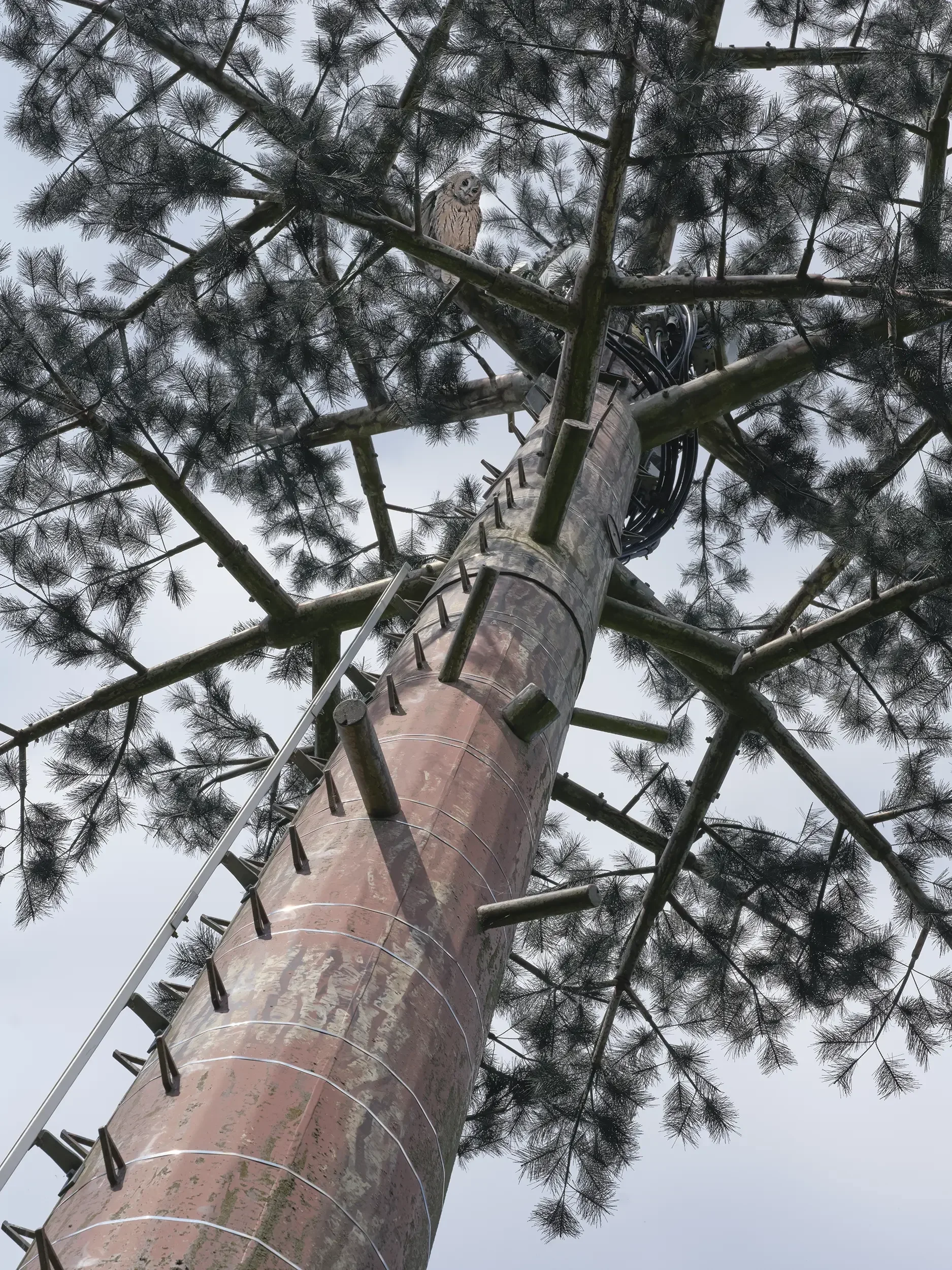
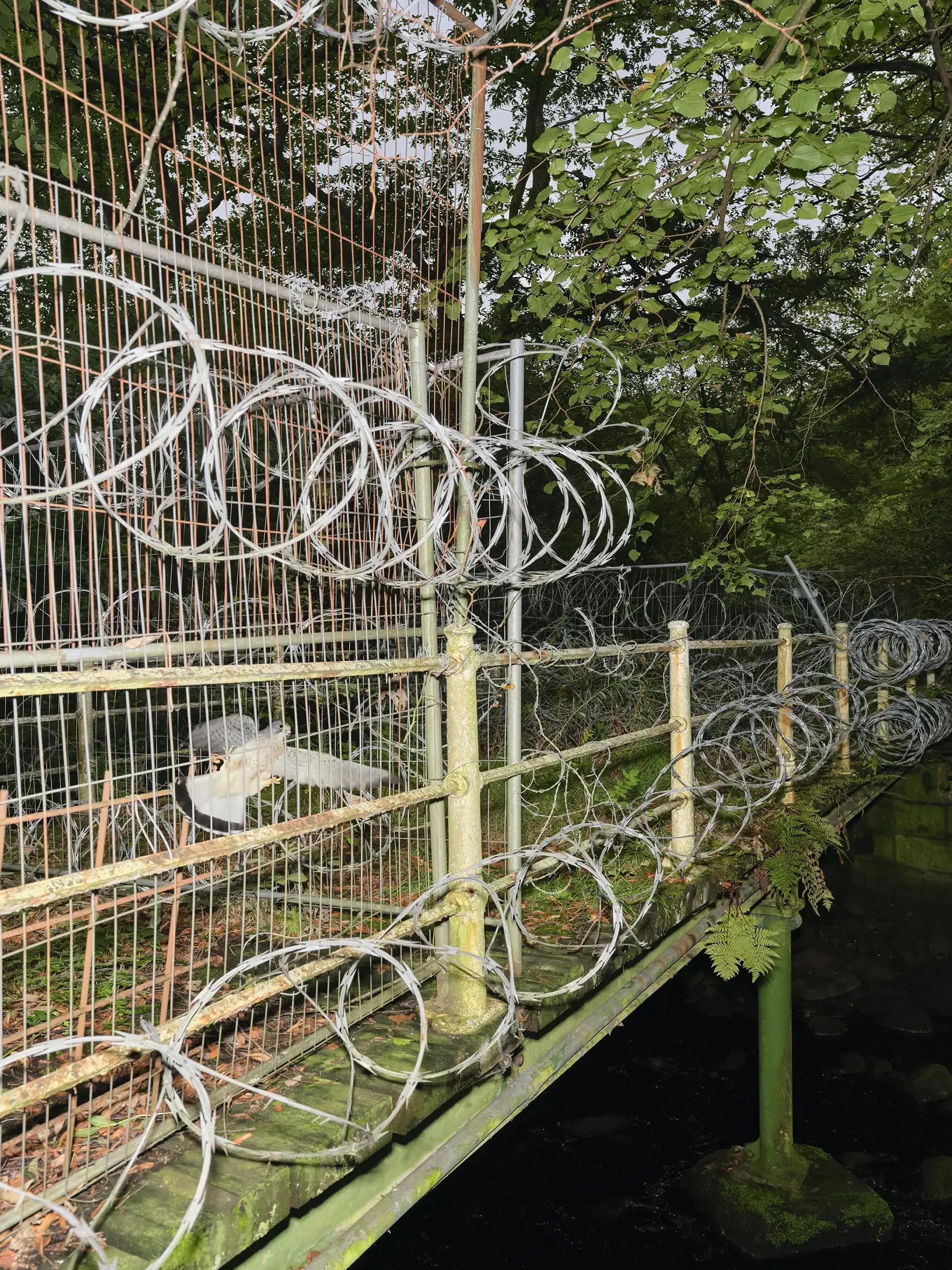
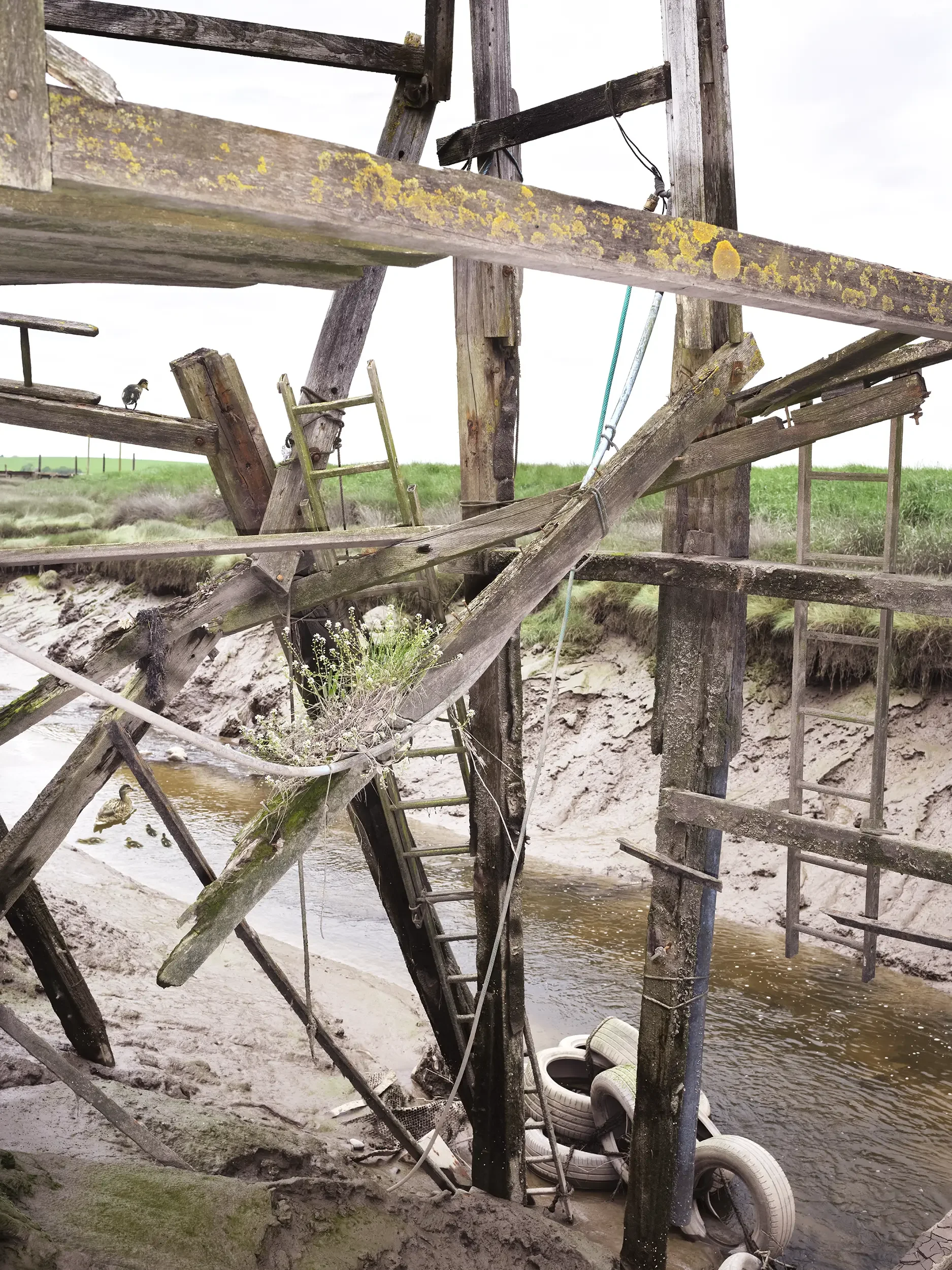
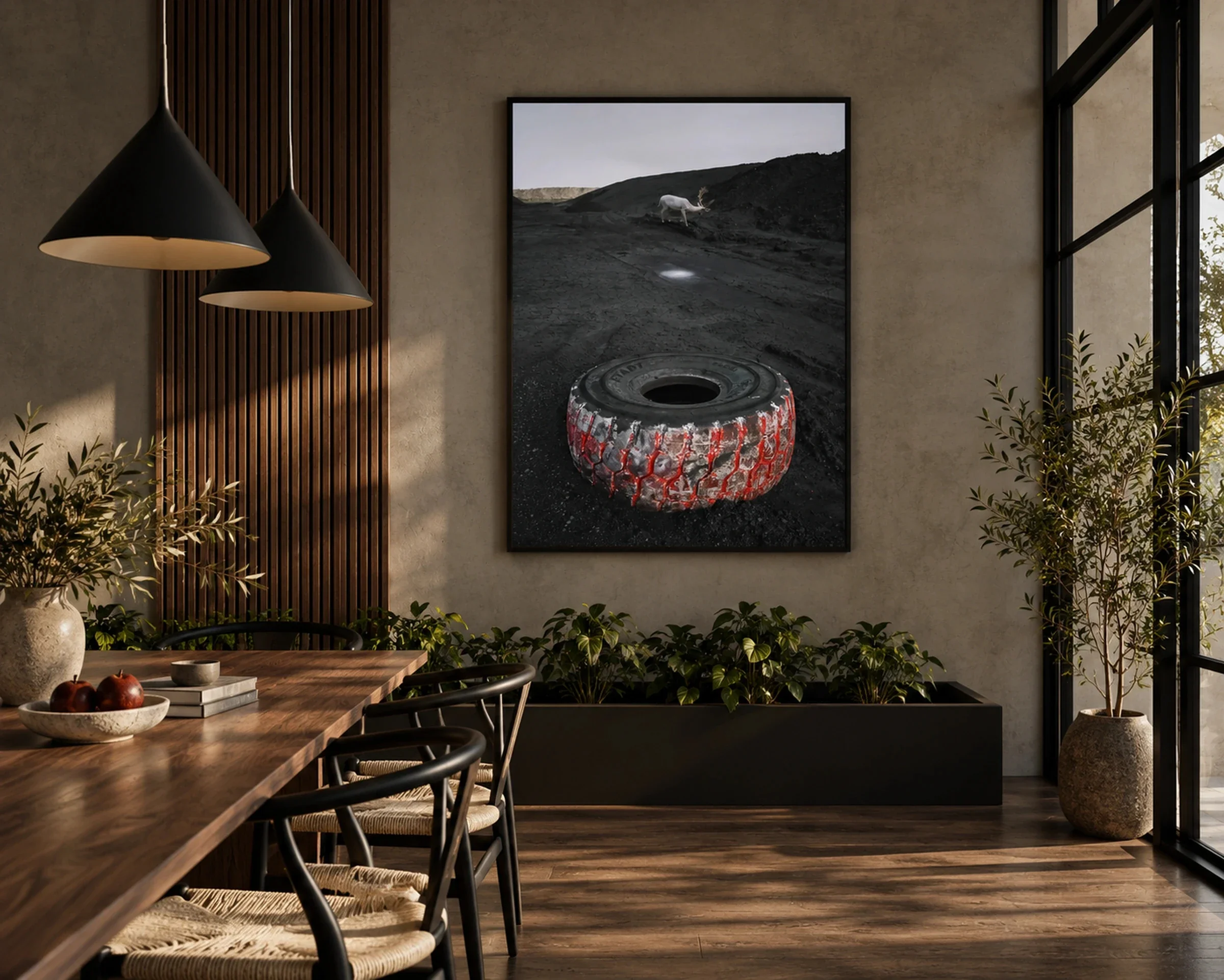
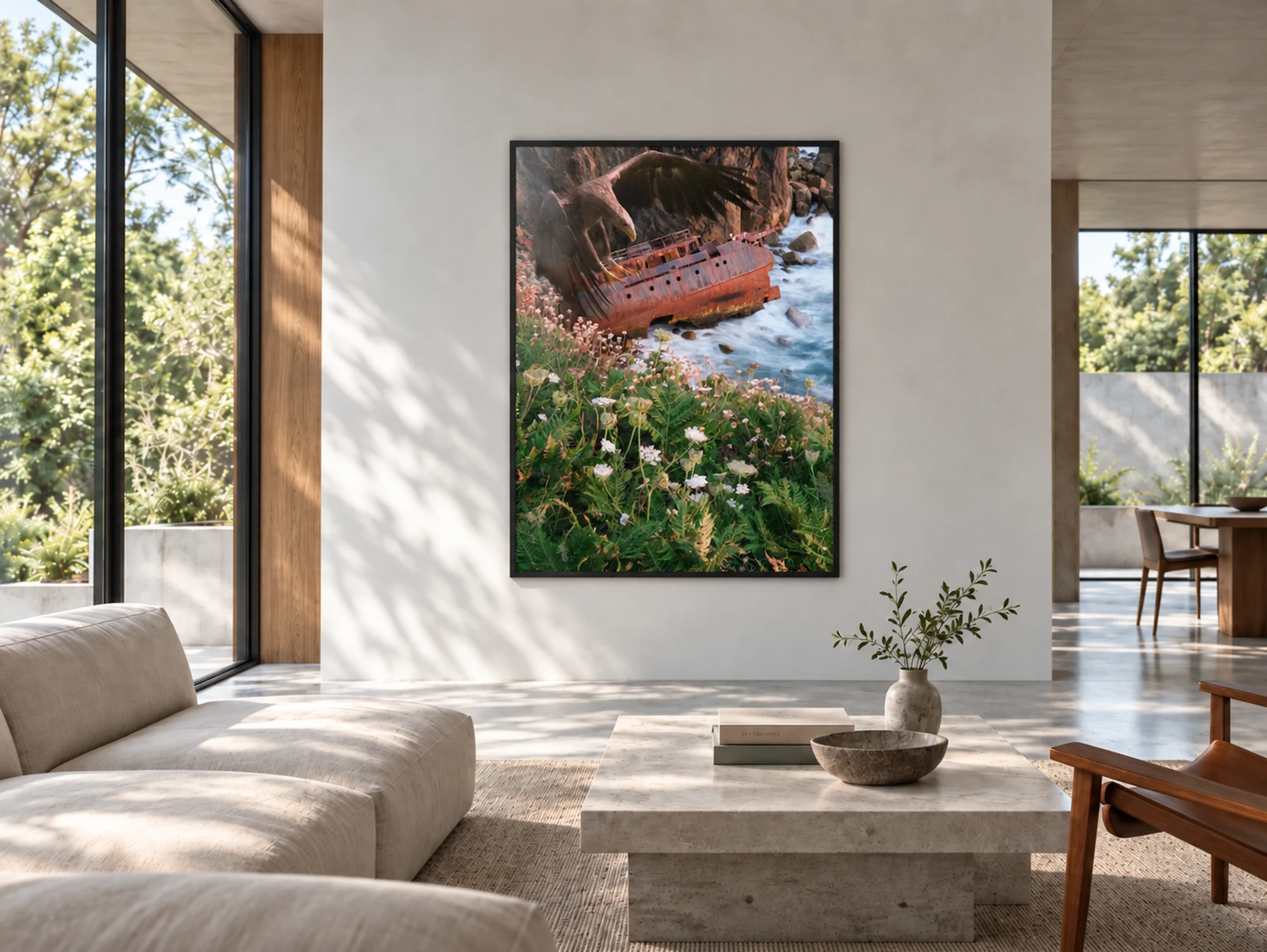
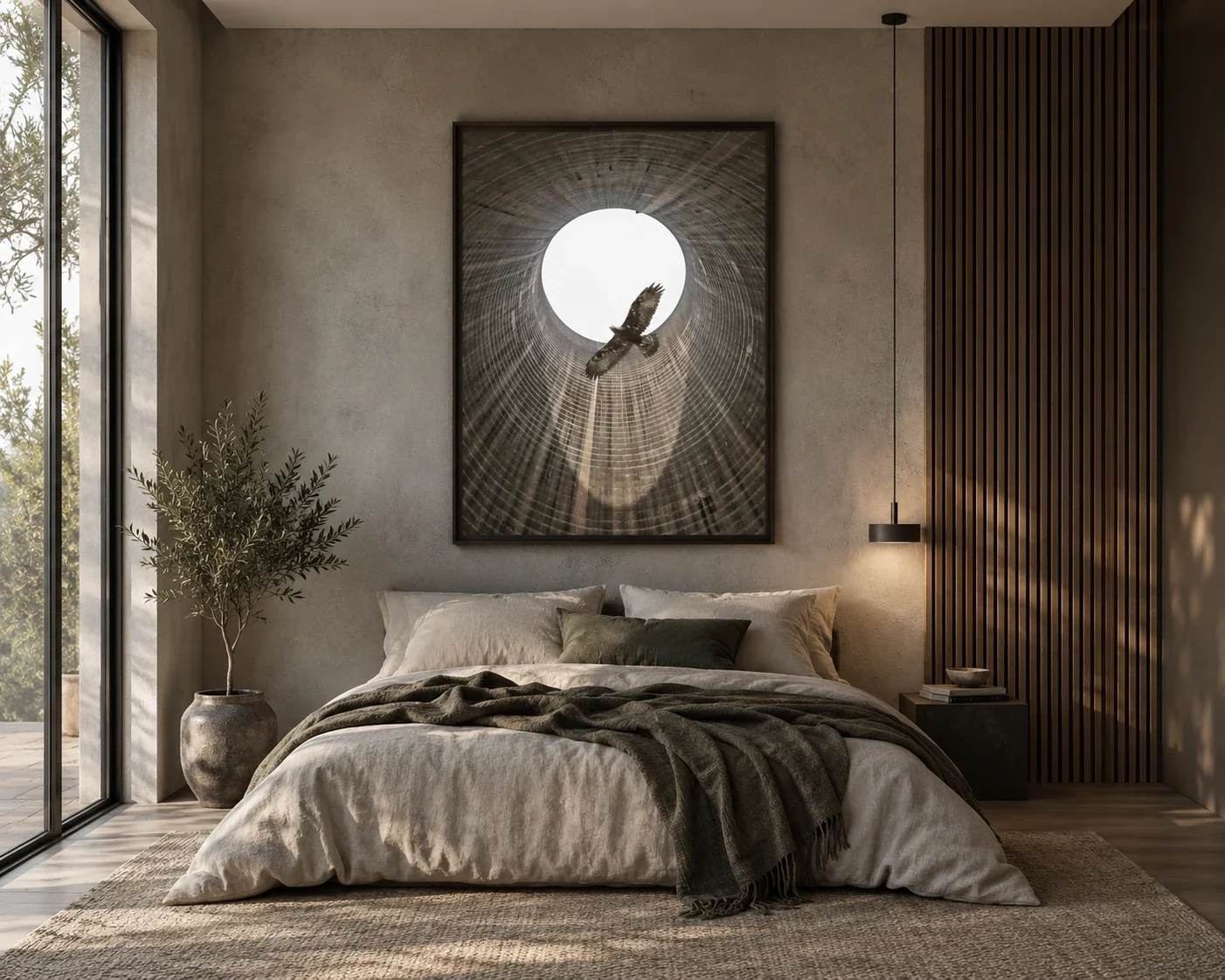
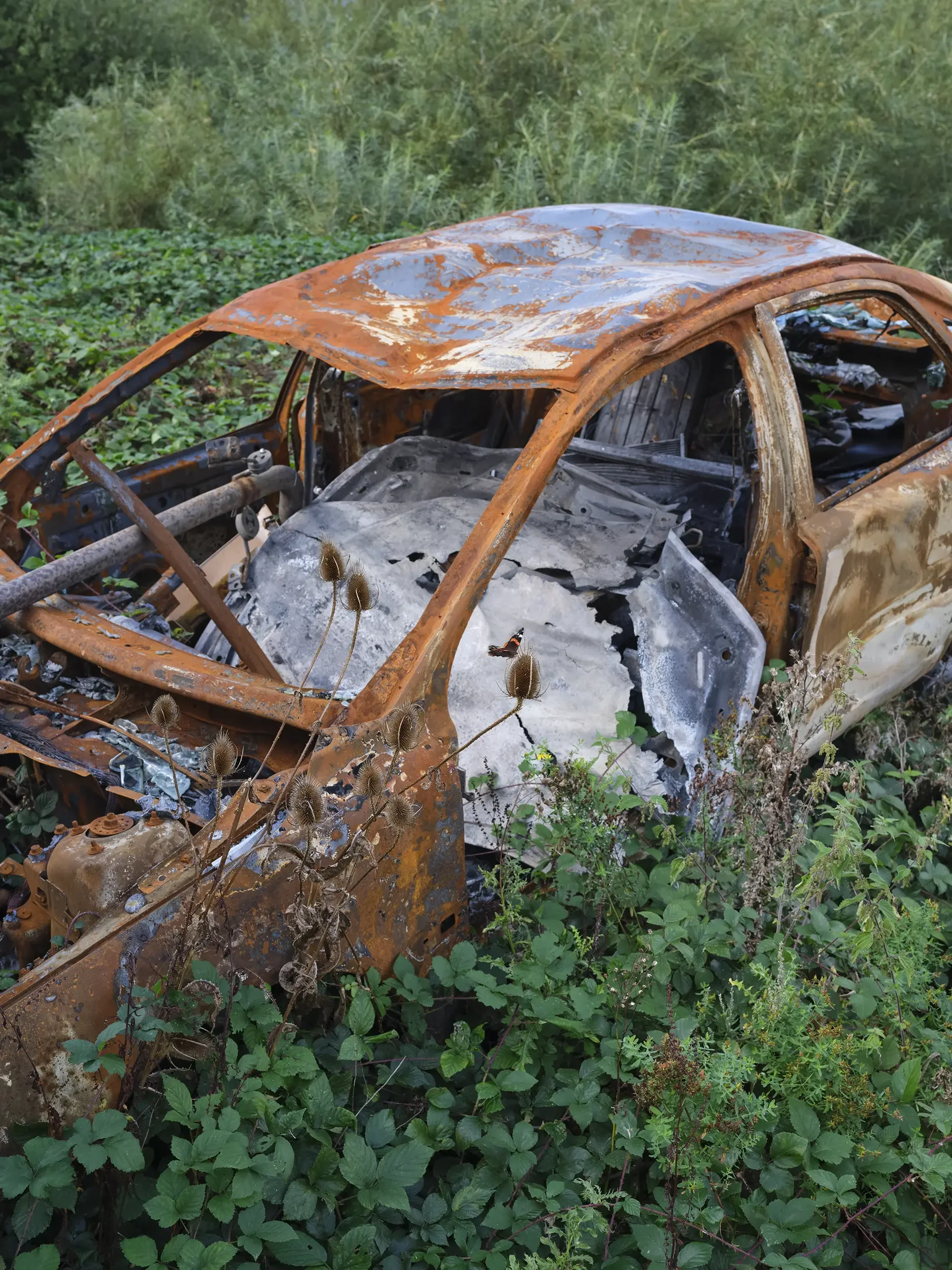
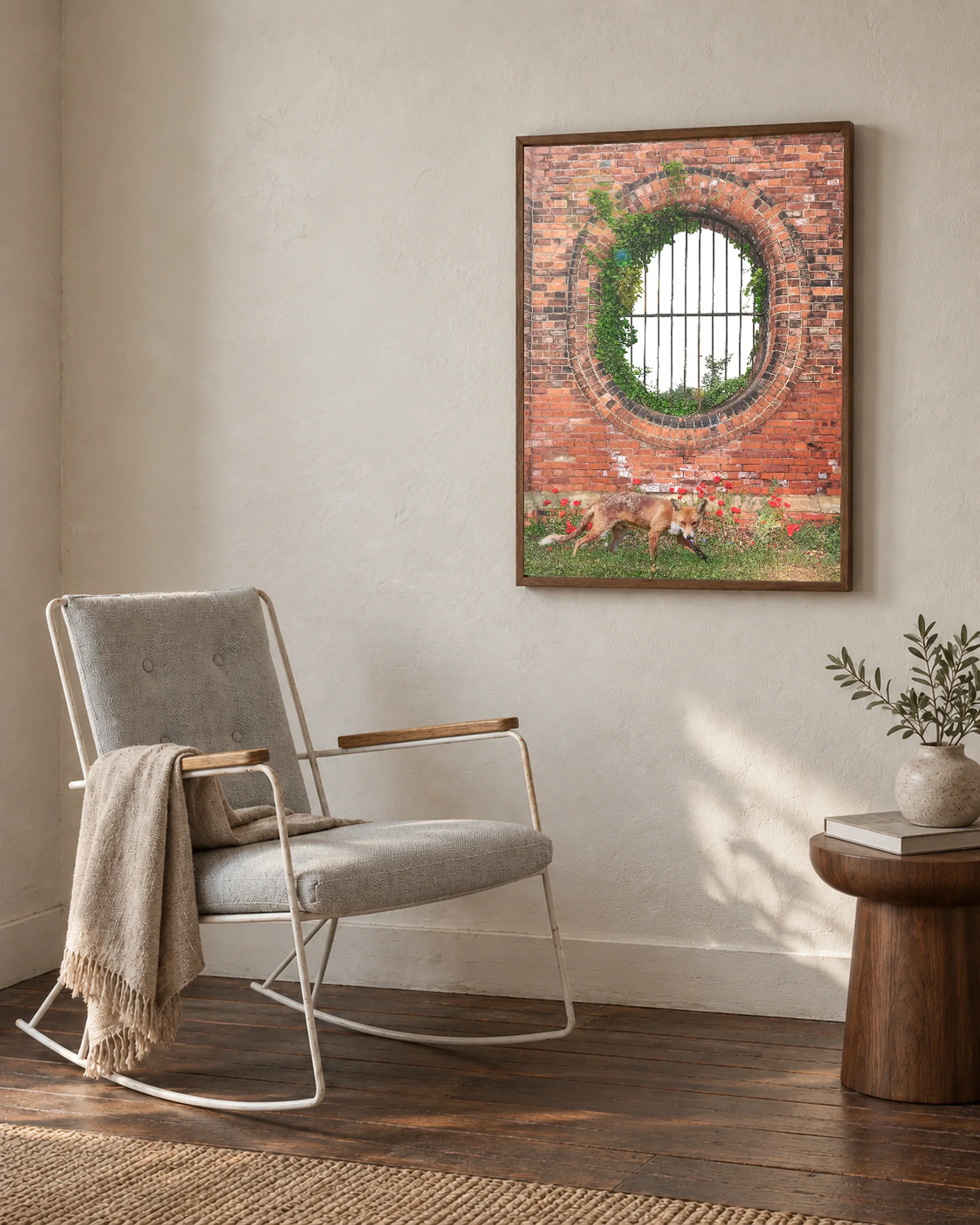
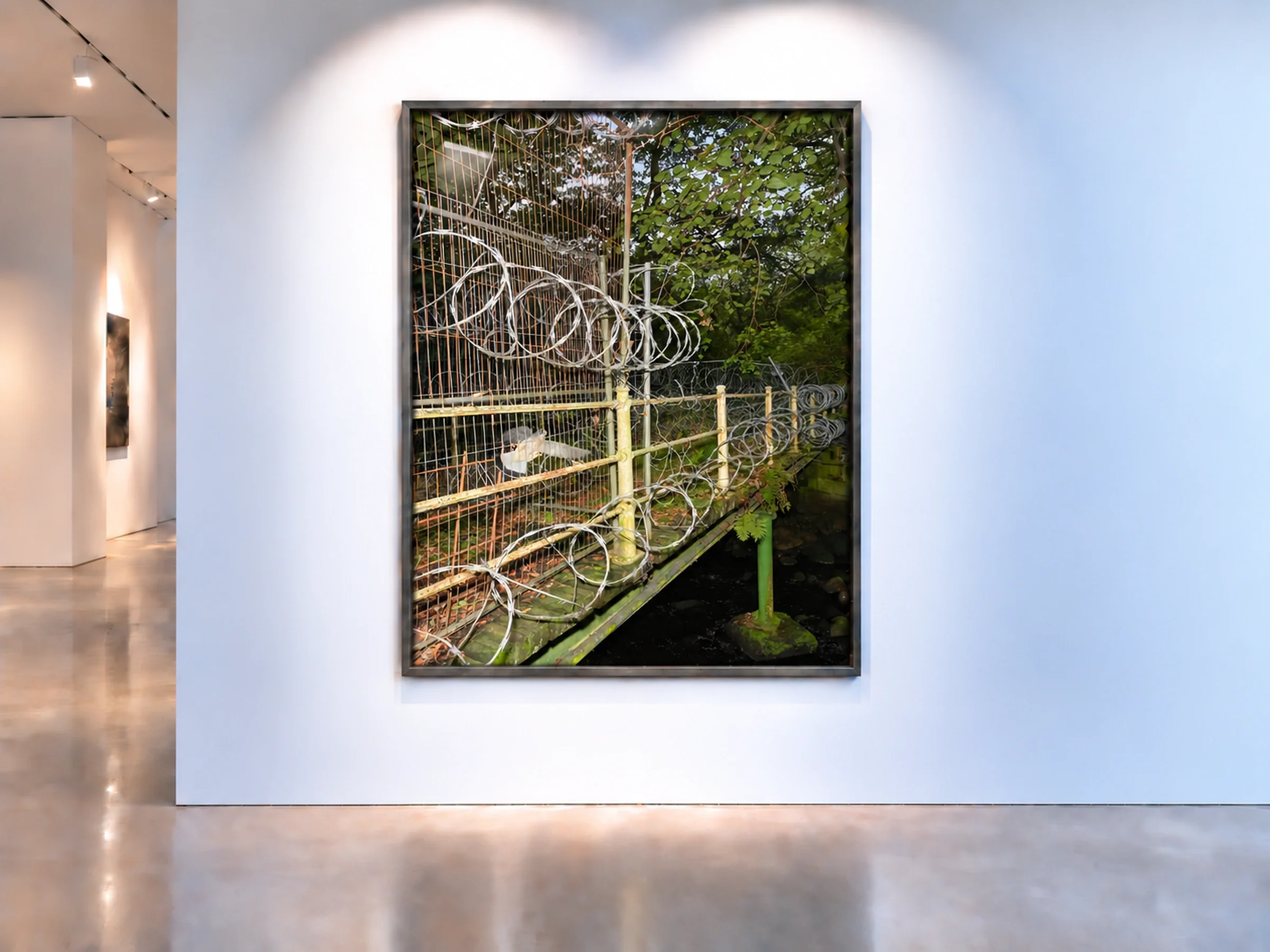
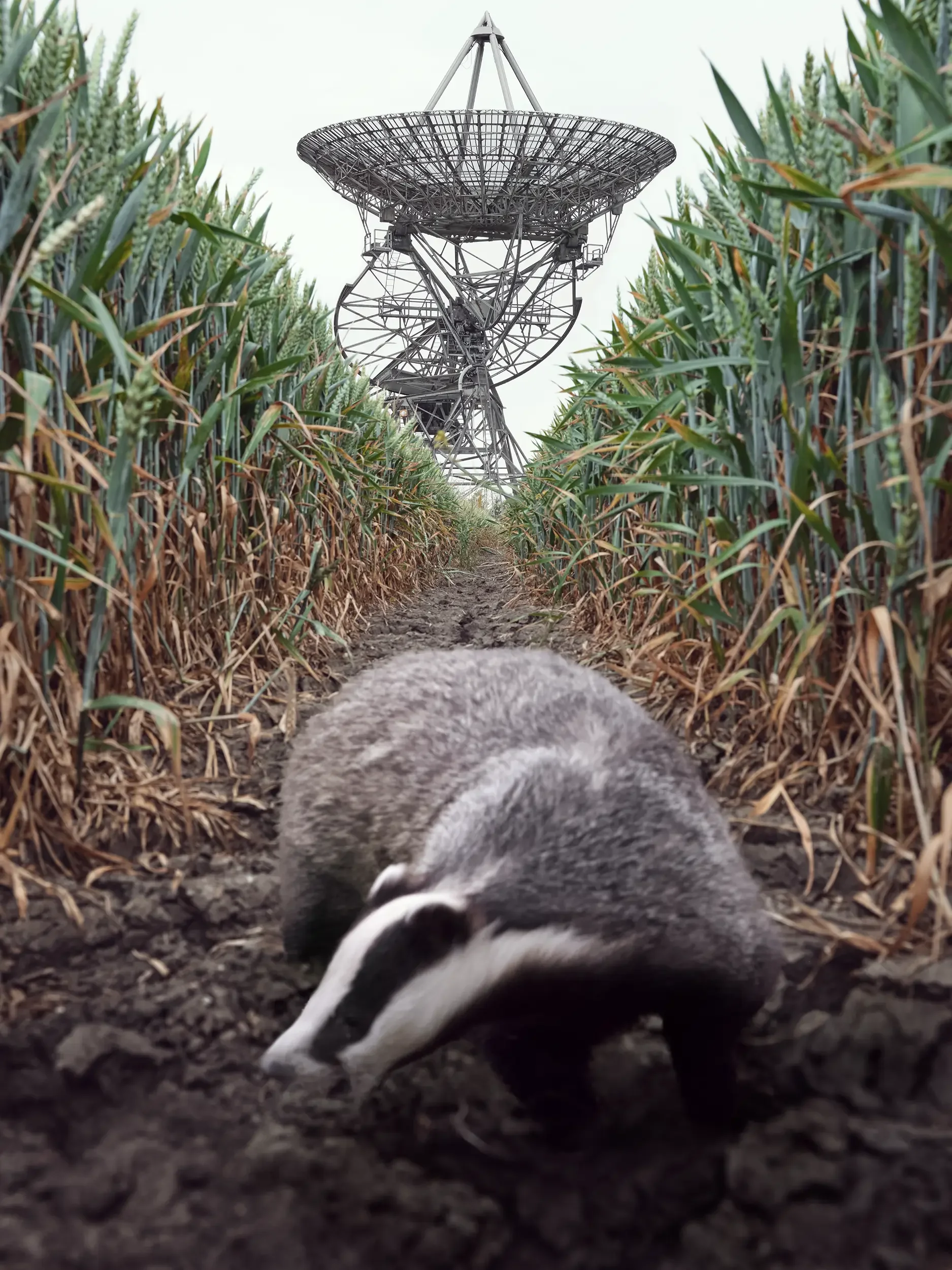
The photographs bring together British wildlife and landscapes shaped by industry, infrastructure, belief, and commerce, sites built for use and efficiency, now weathering, fragmenting, or repurposed by natural systems. Factories slip into scrubland, distribution centres become habitats, and technology begins to mimic organic form, blurring distinctions between what is living and what is made. Across the work, collapse and adaptation unfold side by side.
Running through the series is the idea of autophagy, a process in which a body breaks down its own material in order to survive. This becomes a lens through which wider cultural and ecological strain can be read: systems correcting themselves, sometimes violently, in response to imbalance. Animals appear as witnesses within these altered environments, standing in for resilience, consequence, and transformation, and carrying echoes of older myths in which human and non-human worlds were never fully separate.
The Autophagy of Us reflects on a moment in which environmental breakdown, technological acceleration, and biological vulnerability converge. The work does not offer resolution, but observes what emerges when familiar structures begin to give way, and what forms of life persist within that uncertainty.
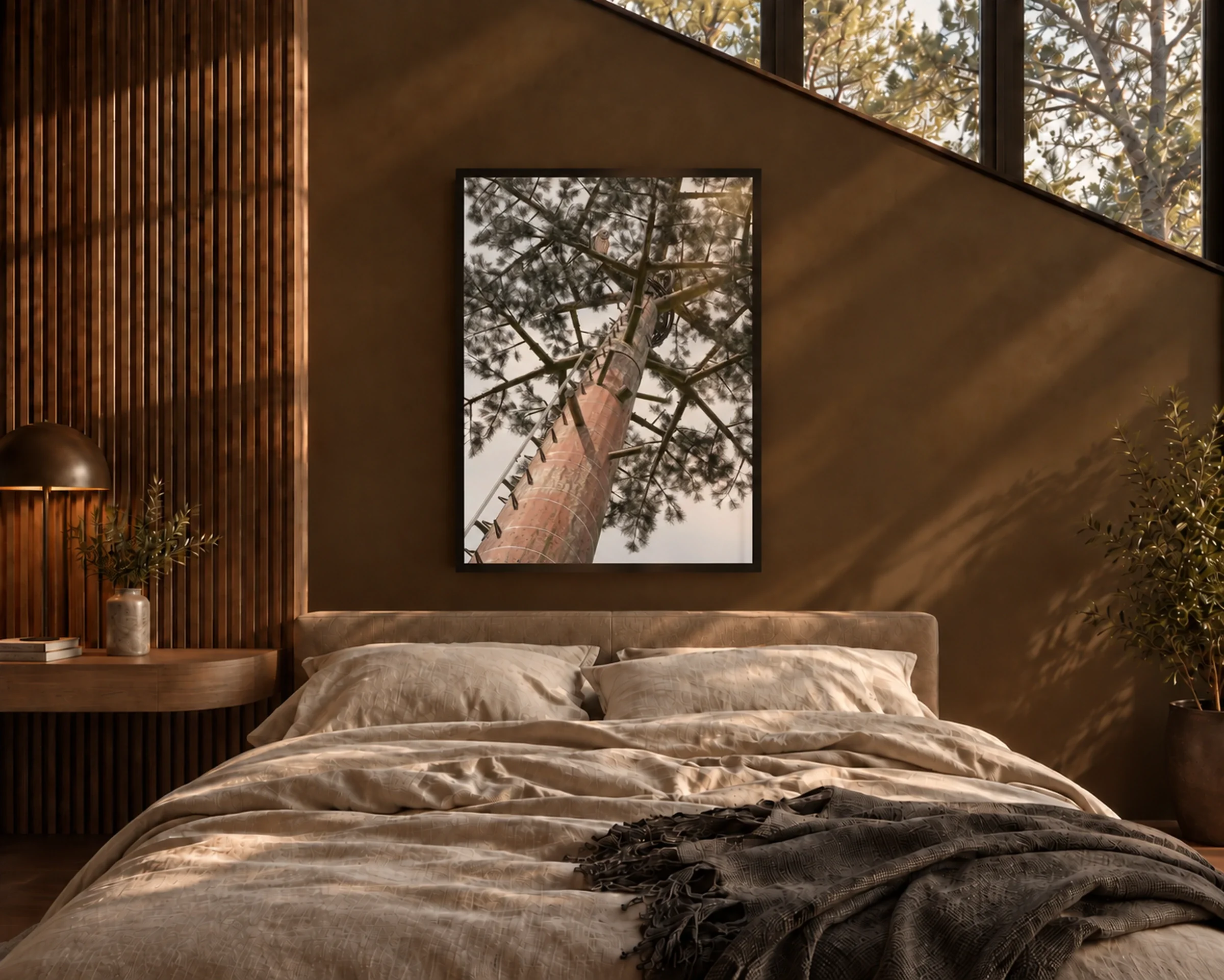

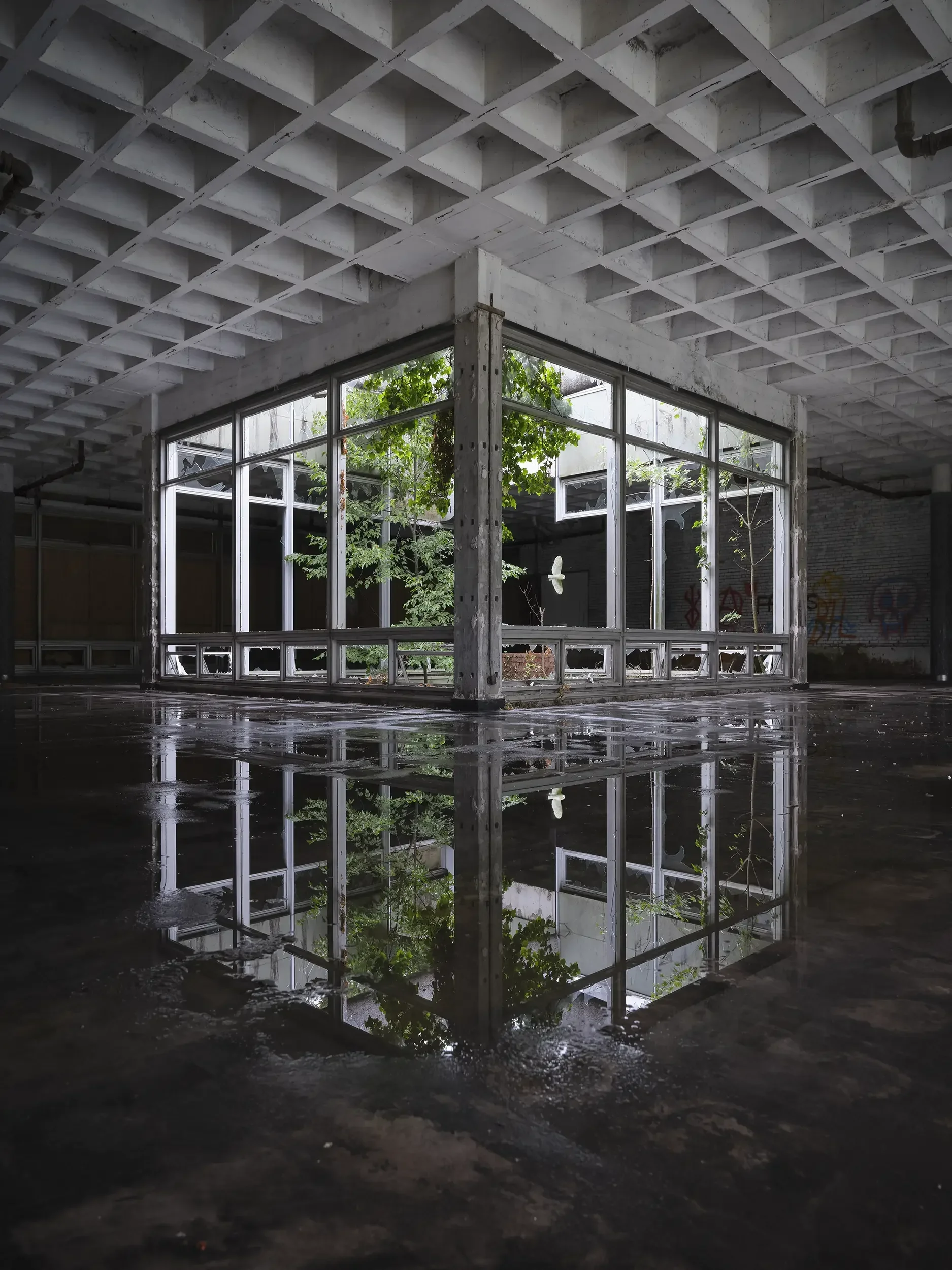
A barn owl flying through the flooded shell of a derelict building, its reflection meeting a tree grown up through the broken floor.
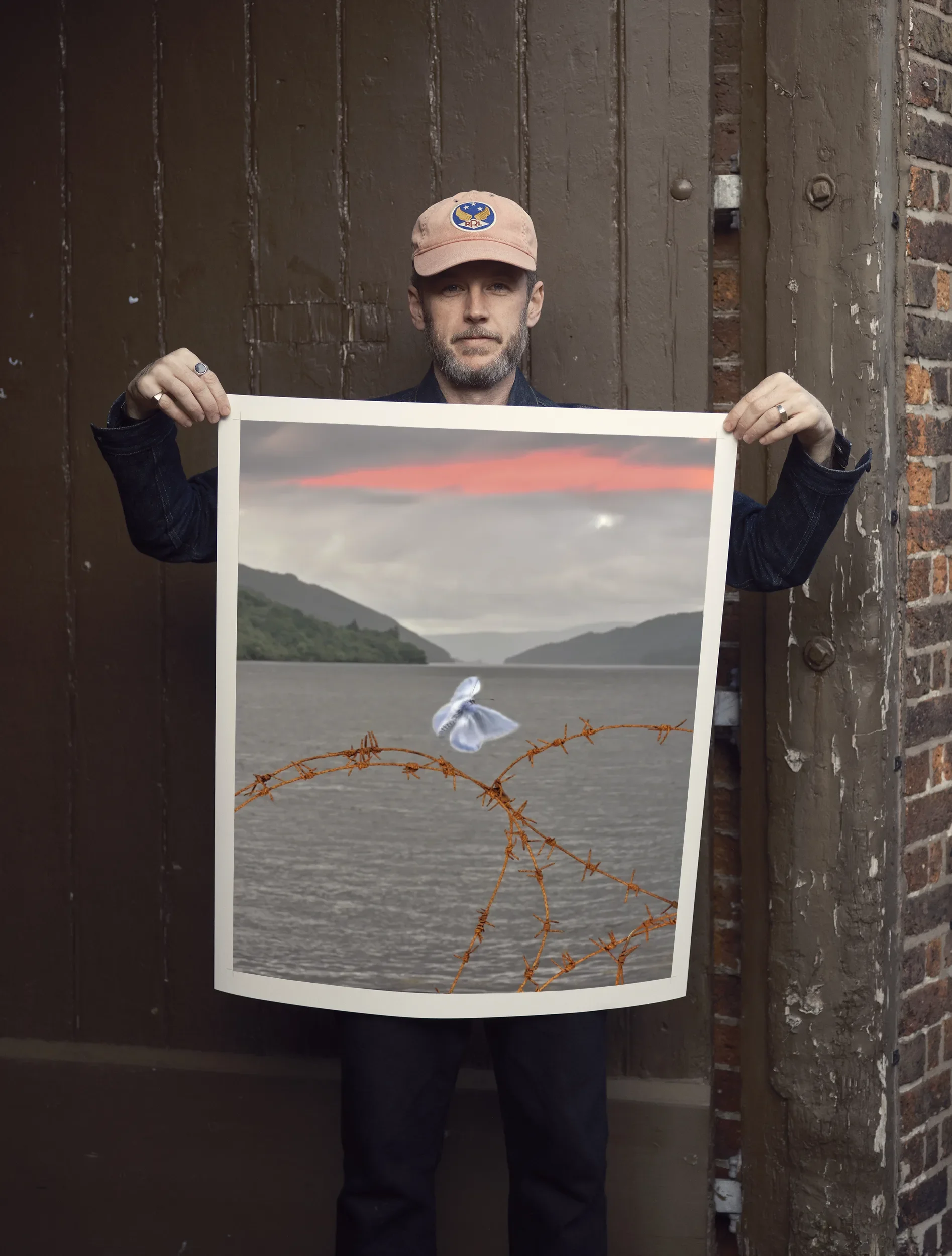
Archival pigment print. Printed in the Studio on Hahnemühle Photo Rag Baryta.
Available in three sizes:
20 x 15 inch / 51 x 38 cm, Edition of 10, £500
40 x 30 inch / 102 x 76 cm, Edition of 7, £2,000
80 x 60 inch / 203 x 152 cm, Edition of 3, £8000